In this series
Which God Photos Should NOT Be Kept in Home Mandir? Vastu Shastra Rules Explained

Framed deity photographs and paintings are the most common form of sacred image in the modern Hindu home — practical, beautiful, and far less demanding than three-dimensional consecrated murtis. But even framed sacred images have specific Vastu Shastra guidelines about which images are appropriate for the home mandir and which should be avoided.
Framed Photos vs. Consecrated Murtis
Framed images do not typically undergo Prana Pratishtha — the ritual of establishing the deity’s living presence within the form — and therefore do not carry the same daily ritual obligations as a consecrated murti. However, Vastu principles around direction, placement, condition, and context still apply fully.
God Photos That Should NOT Be in the Home Mandir

1. Faded, Torn, or Damaged Photos
The most universally agreed rule: a damaged, faded, torn, or water-stained sacred image should never be kept in the mandir. A deteriorating image no longer functions as a proper vehicle for the sacred presence it represents. Faded prints, cracked frames, and peeling or flaking images should all be replaced. Damaged images should be respectfully immersed in water or buried in clean soil — never thrown in the trash.
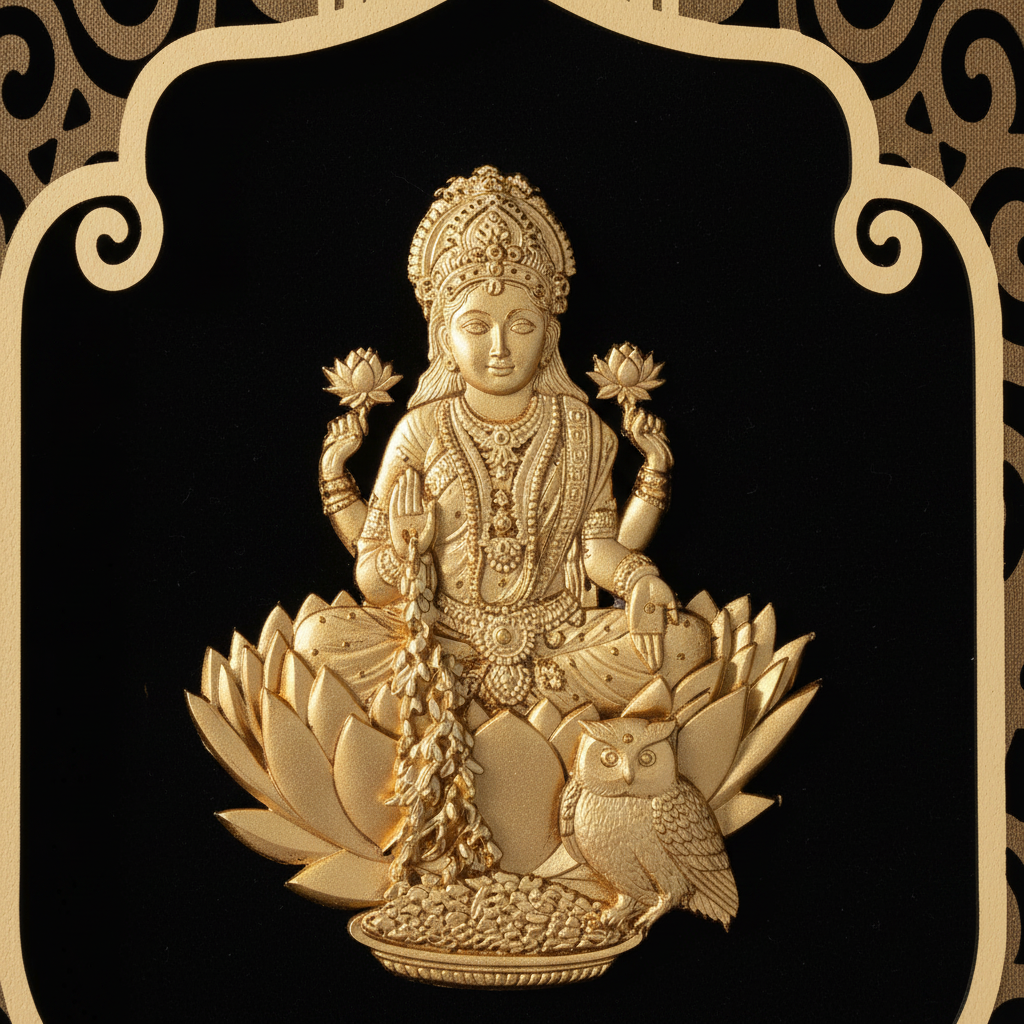
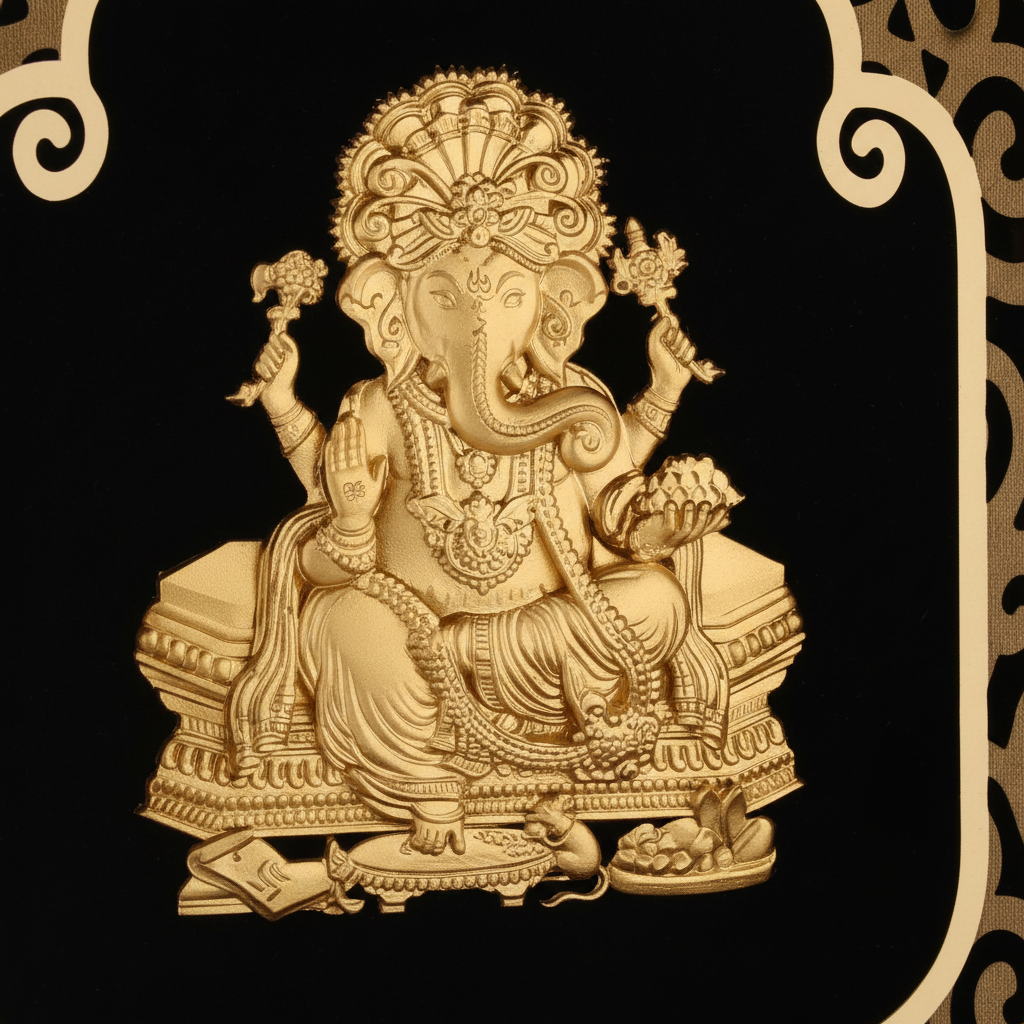
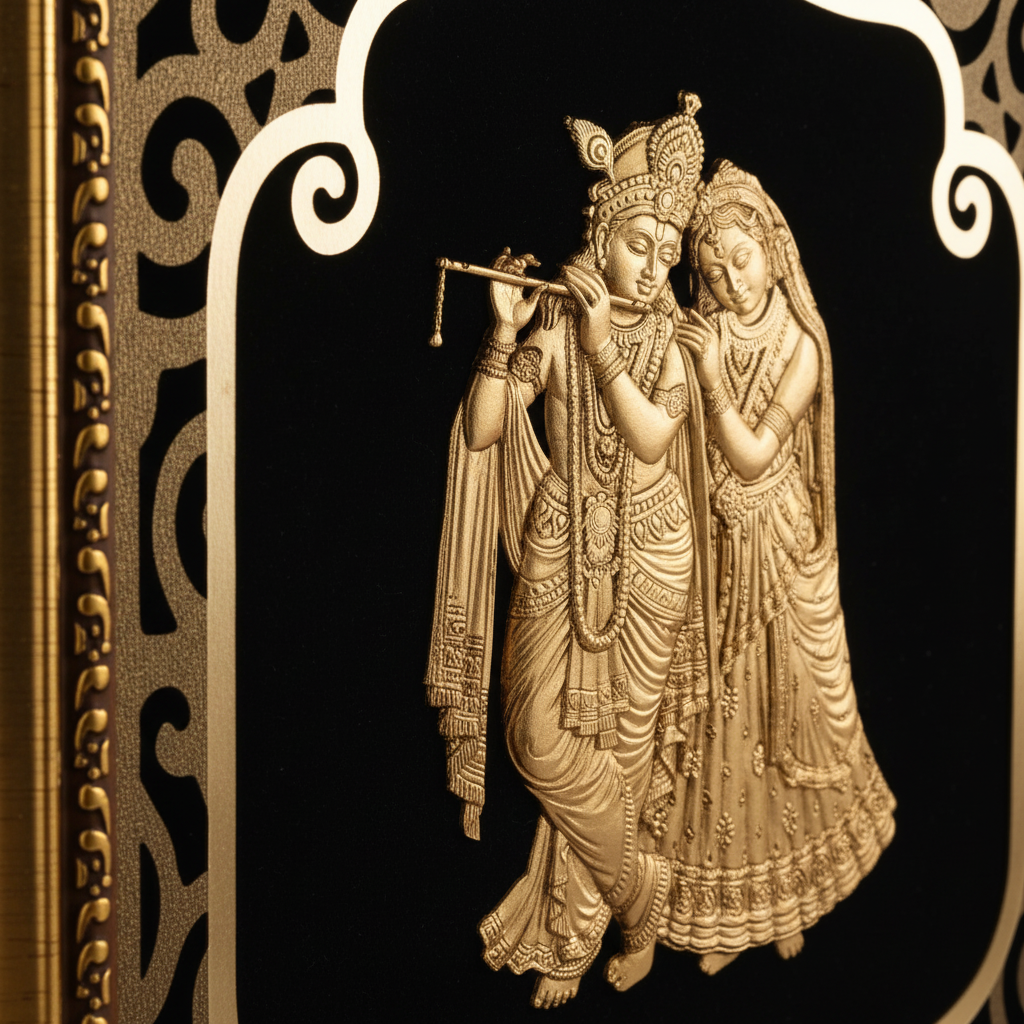
A 24K gold foil painting does not fade, peel, or degrade. Genuine gold does not tarnish or oxidize — the image remains as luminous in twenty years as on the day it was installed.
2. Ancestor Photos Alongside Deity Images
Photographs of deceased family members should not be placed on the same altar shelf as deity images. Deity images belong in the mandir space — associated with living divine energy. Ancestor photographs belong on a separate shelf in the South zone of the home, which is associated with ancestors and Yama. Mixing ancestor photos with deity images in the mandir is inauspicious in Vastu Shastra and most Hindu household traditions.
3. Inauspicious Deity Forms
- Weeping or sorrowful images: Depictions of deities in grief or distress are not appropriate for the main mandir altar. The mandir should be a space of joy and auspiciousness
- Battle or violent scenes: Images of deities in active combat are better displayed as art in the living space, not as worship images in the mandir
- Incorrectly oriented Ardhanarishvara: The male half (Shiva) must be on the right side as viewed by the devotee. A reversed orientation is inauspicious
4. South-Facing Images
Any sacred image placed so the devotee faces South during worship is inauspicious — the South is the direction of Yama. Exception: Hanuman images can face South as protective energy directed toward Yama’s direction.
5. Images in the Bathroom or on Shared Walls
Sacred images should never be placed in the bathroom or toilet, or on any wall shared with a bathroom — regardless of intention.
6. Images on the Floor or Below Waist Level
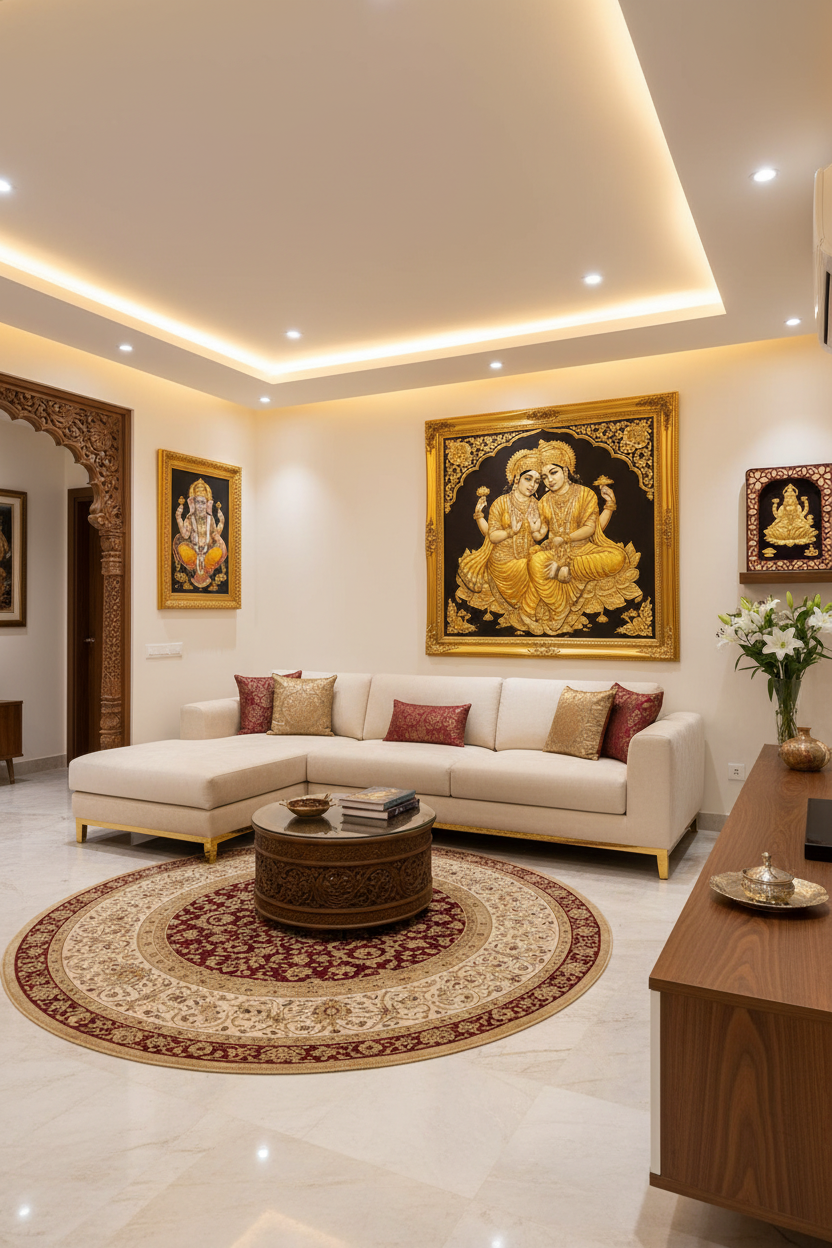
Sacred images must always be elevated. Placing a framed deity image on the floor or on a shelf below waist level is considered disrespectful. The image should be at eye level or above in the devotee’s worship posture.
7. Images Directly Facing Each Other
Two deity images on opposite walls facing each other create conflicting energies. All images on a mandir altar should face the same direction — ideally East or North.
8. Prominent Worship Images in the Bedroom
The main worship focal point should not be in the bedroom. Small personal devotional images (a pocket Krishna, a small Ganesha on the nightstand) are acceptable; a large formal mandir setup in the bedroom is not.
What Makes an Image Ideal for the Home Mandir
- Depicts the deity in a benevolent, peaceful, or triumphant form
- Iconographically correct attributes, colors, mudras, and vahana
- In excellent, undamaged condition
- Made from quality materials that will not degrade — genuine 24K gold foil rather than gold-colored ink
- Placed at the correct height, facing the correct direction, in the correct zone of the home
- Approached daily with consistent reverence
Explore our full collection of Ganesha, Lakshmi, Durga, Saraswati, Krishna, and Hanuman 24K gold foil paintings — and find the image that belongs at the heart of your home mandir.