In this series
How to Set Up a Diwali Home Mandir: A Step-by-Step Guide
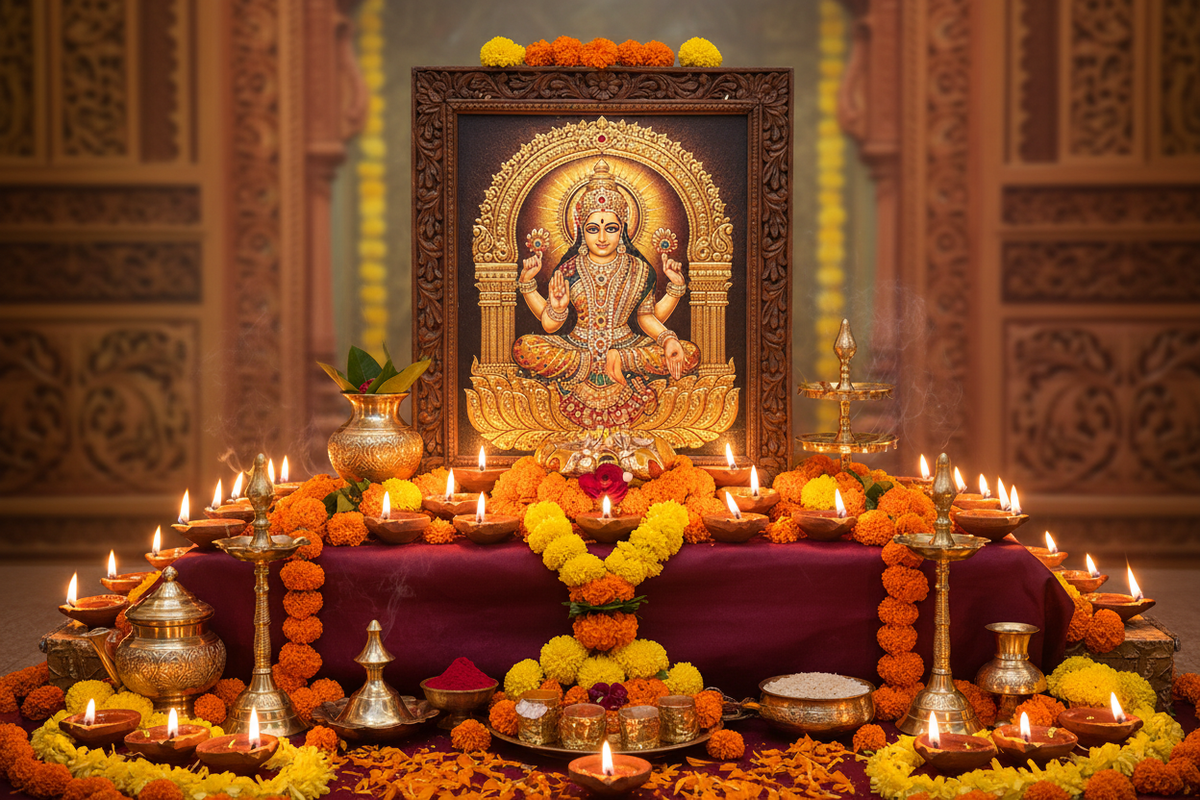
Diwali is the most sacred time of year to establish or refresh your home mandir (prayer altar). As the Festival of Lights draws near, millions of families across the world prepare their sacred spaces to welcome Goddess Lakshmi, Lord Ganesha, and divine blessings into their homes. Whether you are setting up a mandir for the first time or elevating your existing sacred space, this guide walks you through everything you need.
Why Diwali Is the Ideal Time to Set Up a Home Mandir
According to Hindu tradition, Diwali — specifically Lakshmi Puja on the new moon night (Amavasya) — is the most auspicious time to invite Goddess Lakshmi into your home. Homes that are clean, beautifully lit, and adorned with sacred imagery are said to receive her blessings of prosperity and abundance for the entire year ahead. Setting up your mandir before Diwali is not just a ritual preparation — it is a spiritual act of welcoming the divine.
Step 1: Choose the Right Location
The ideal placement for a home mandir follows traditional Vastu Shastra principles:
- Best direction: Northeast (Ishan corner) is considered most auspicious
- Acceptable alternatives: East or North-facing walls
- Avoid: Bedrooms, bathrooms, or walls shared with a toilet
- Height: The deity should be at chest level or above, never placed on the floor
Even a dedicated shelf or cabinet in your living room can serve as a beautiful mandir when arranged with intention and care.

Step 2: Cleanse and Prepare the Space
Before placing any sacred items, thoroughly clean the area. In Diwali tradition, the entire home is deep-cleaned before the festival — the mandir space deserves extra attention.
- Wipe the surface with clean water and allow it to dry completely
- Optionally, purify the space with Gangajal (holy water) or incense smoke
- Lay a clean silk or cotton cloth in red, yellow, or gold — auspicious colors for Diwali
Step 3: Place Your Sacred Deities
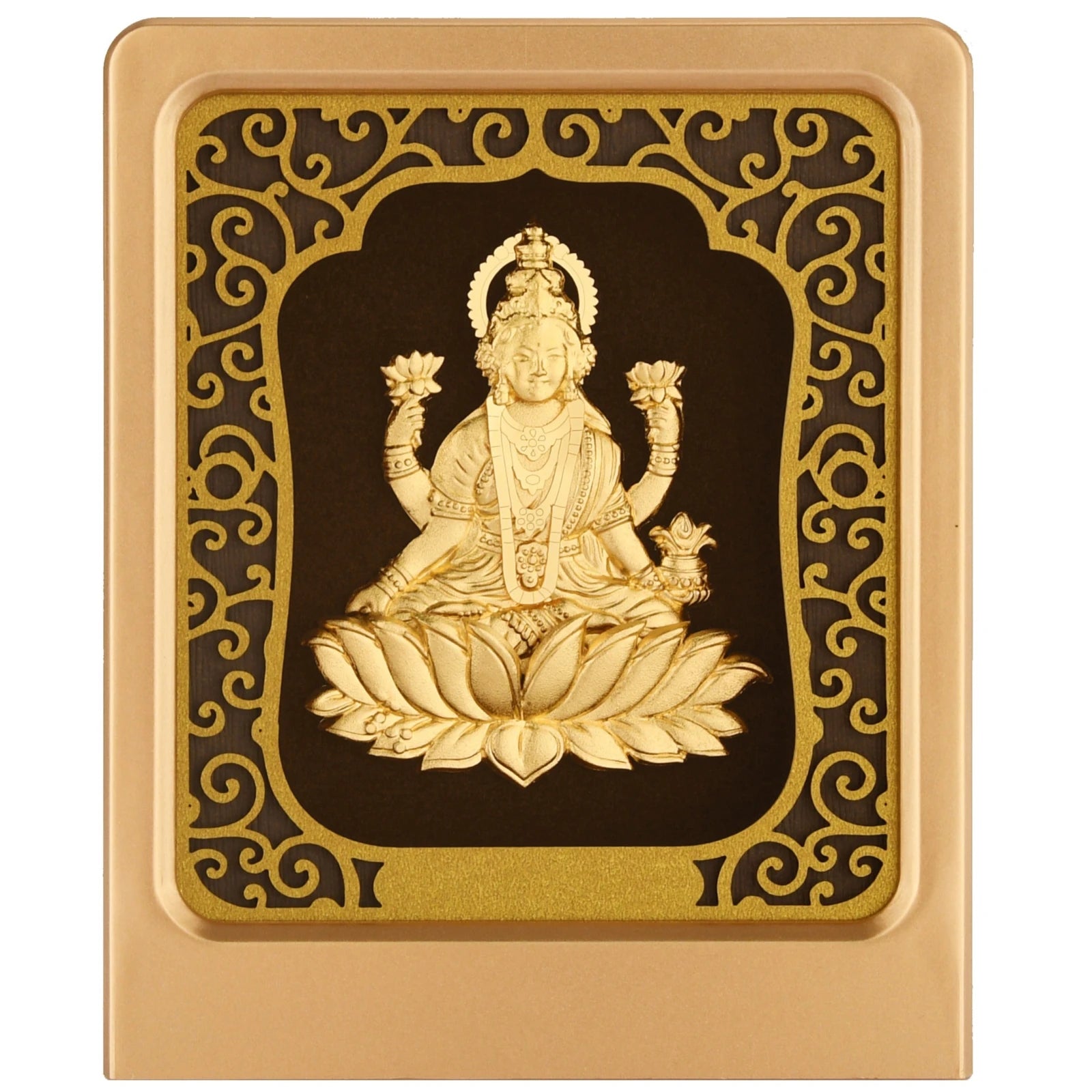
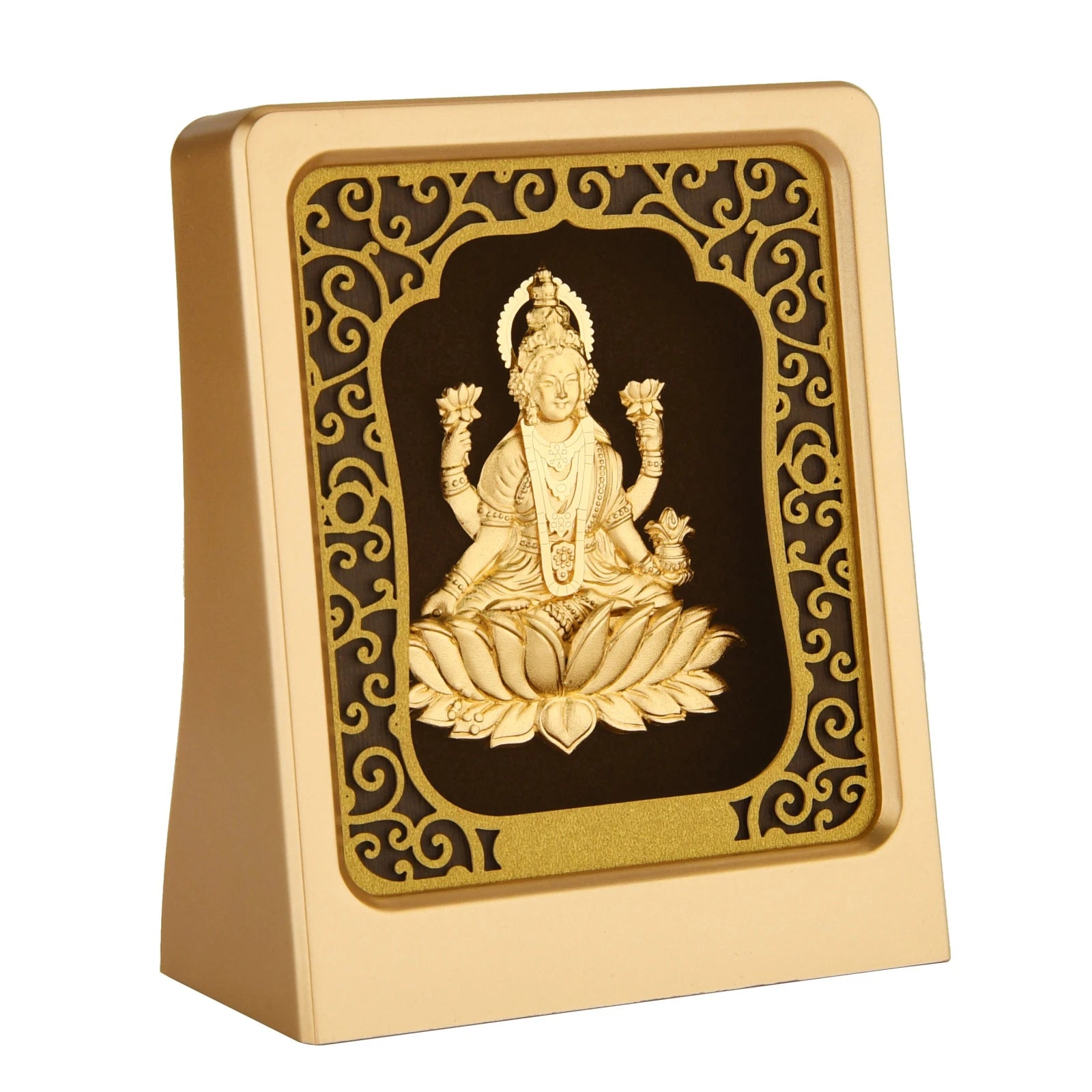
For Diwali, the central focus of your mandir should be Goddess Lakshmi (the deity of wealth and prosperity) and Lord Ganesha (the remover of obstacles — always worshipped first). Traditional arrangements place Ganesha to the right of Lakshmi from the viewer's perspective.
Sacred art and deity representations come in many forms:
- Gold foil paintings — A timeless choice that combines fine art with devotional beauty. 24K gold foil paintings of Lakshmi and Ganesha make stunning centerpieces that catch the Diwali diyas' flickering light magnificently.
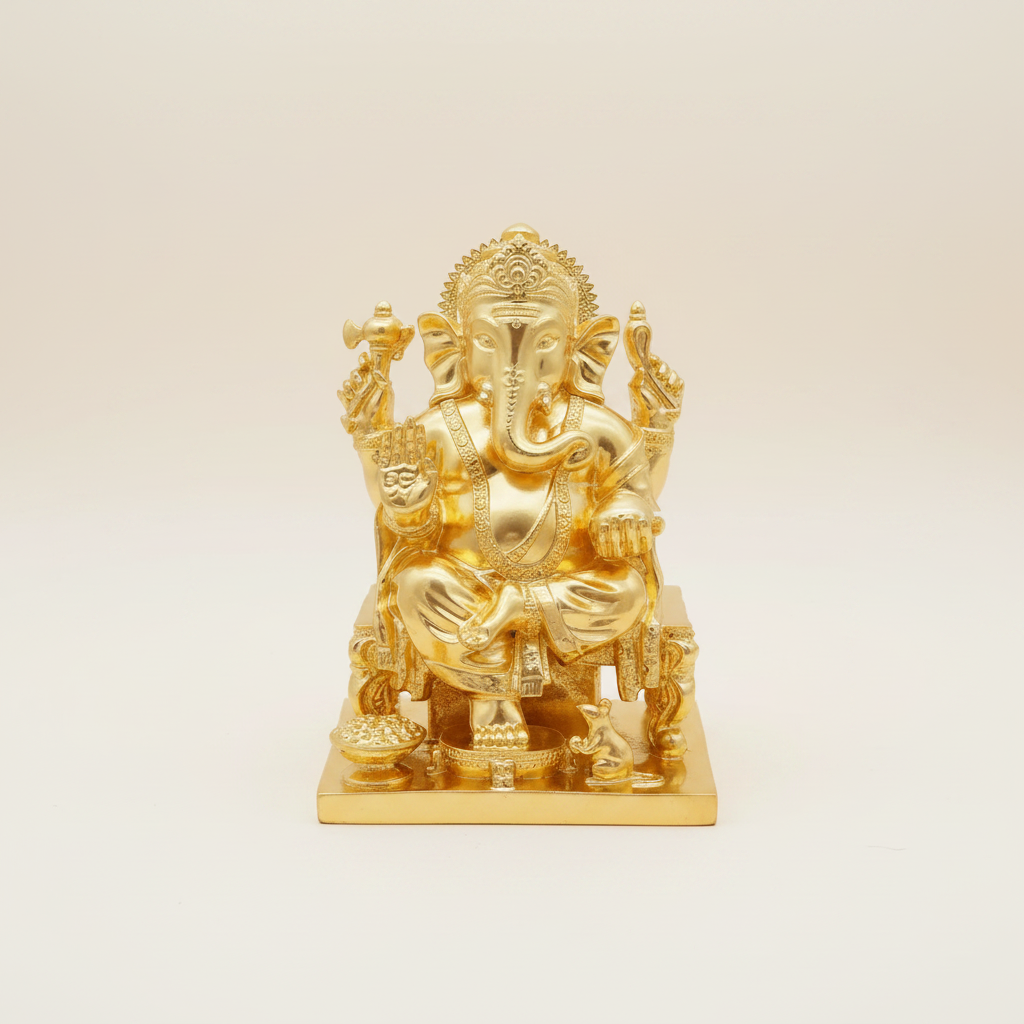
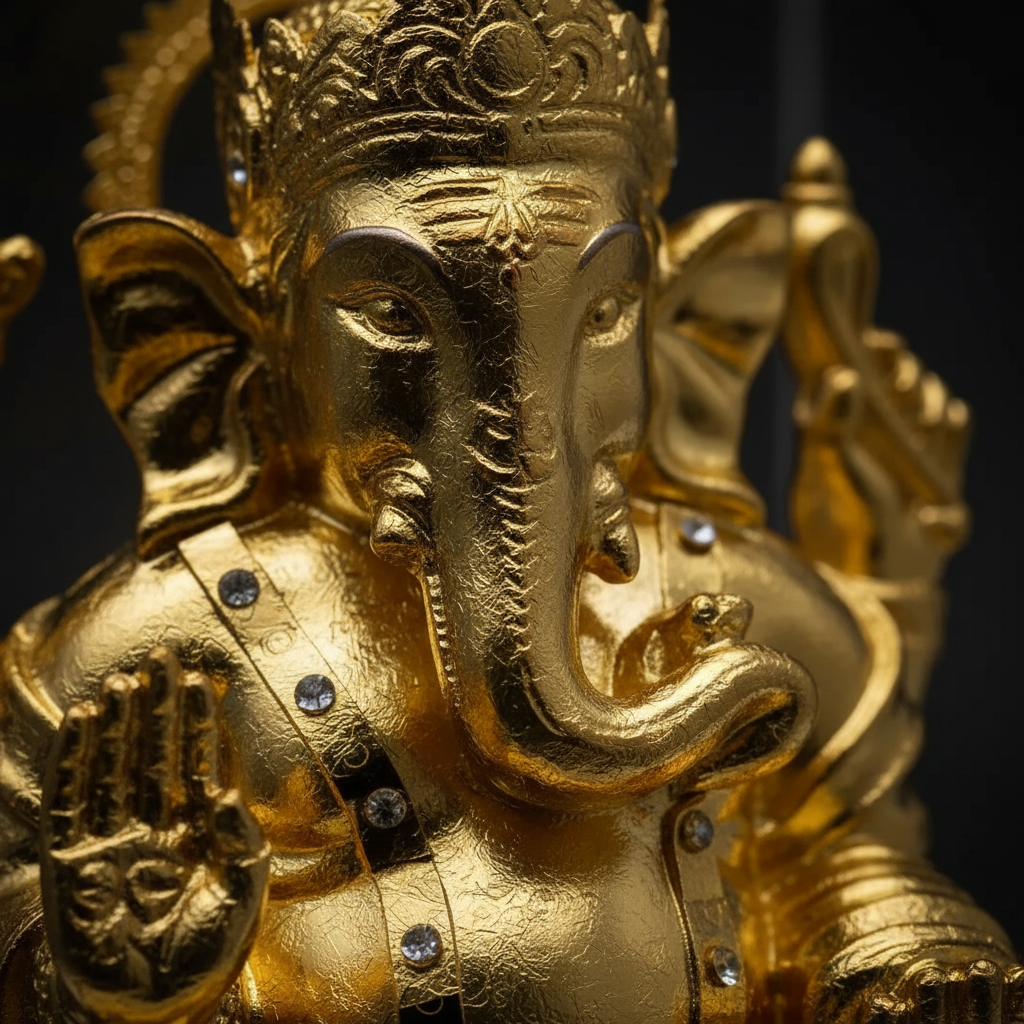
- Brass or gold-finished murti (statues) — Three-dimensional representations that can be dressed with flowers and adorned with jewelry during puja
- Framed prints or yantras — Geometric sacred diagrams that carry the energy of specific deities

Step 4: Arrange the Puja Essentials
A complete mandir setup for Diwali Lakshmi Puja includes:
- Diya (oil lamp) — Use ghee or sesame oil; the flame should never be blown out, only gently extinguished
- Incense (agarbatti) — Sandalwood or rose are traditional favorites
- Fresh flowers — Marigolds, lotus, and rose petals are all auspicious
- Fruits and sweets (naivedya) — Offerings to the deity, typically including kheer, modak, or seasonal fruit
- Kumkum and haldi — Red turmeric powder for tilak and ritual markings
- Coins and currency — Placed before Lakshmi during Diwali puja as symbols of prosperity invited
- Conch shell (shankha) — Blown at the start of puja to purify the space

Step 5: Decorate for the Festival of Lights
Diwali mandirs are meant to be luminous. Enhance your sacred space with:
- Rows of clay diyas arranged in front of the mandir
- Flower rangoli at the base of the altar
- String lights or fairy lights framing the mandir space
- Fresh marigold garlands draped around deity frames or statues
- A small Lakshmi footprint stencil (Lakshmi ke Charan) leading toward the mandir — symbolizing the goddess entering your home
Step 6: Perform Lakshmi Puja on Diwali Night
On the evening of Diwali (this year: October 27, 2026), gather your family for Lakshmi Puja at sunset or after. The basic sequence:
- Light all diyas and incense
- Begin with Ganesha puja (always first)
- Offer flowers, sweets, and coins to Lakshmi
- Recite Lakshmi Chalisa or Lakshmi Aarti
- Distribute prasad (blessed sweets) to all family members
Choosing Sacred Art That Lasts Beyond Diwali
While fresh flowers and sweets are offered and refreshed daily, the sacred art at the heart of your mandir should be chosen with permanence in mind. A beautifully crafted 24K gold foil painting or a hand-finished deity statue becomes an heirloom — a piece that anchors your sacred space for years and generations.
When selecting sacred art for your mandir, consider:
- Artisanal quality — Hand-applied gold foil and traditional iconography carry a different energy than mass-produced prints
- Size and proportion — The deity should feel substantial in the space, neither overwhelmed by the frame nor dwarfed by the altar
- Iconographic accuracy — Traditionally rendered deities with correct attributes (Lakshmi's lotus and gold coins, Ganesha's modak and single tusk) are considered more auspicious
Explore our collection of 24K gold foil paintings and sacred deity statues — each piece is thoughtfully crafted to bring enduring beauty and sacred presence to your home mandir.
A Sacred Space Is a Living Practice
Setting up your mandir for Diwali is a beginning, not a one-time event. The most vibrant home mandirs are tended daily — a fresh flower, a lit diya, a moment of morning prayer. Diwali is the ideal time to recommit to that practice, beginning the new year of prosperity with a beautiful, intentional sacred space at the heart of your home.
May your home mandir be a source of peace, beauty, and divine grace — this Diwali and always.