In this series
The Complete Guide to Diwali: The Festival of Lights and What It Really Means

Diwali — the Festival of Lights — is the most universally recognized Hindu festival in the world. Every year, across five days in October or November, hundreds of millions of people light diyas, perform Lakshmi puja, share sweets, and celebrate the triumph of light over darkness. It is at once a religious festival of the deepest significance, a family celebration of warmth and togetherness, and a cultural event of extraordinary beauty.
The Meaning of Diwali: Light Over Darkness
The word Diwali (Deepavali — “row of lamps” in Sanskrit) refers to the rows of clay oil lamps that illuminate homes, temples, and streets. Light in the Hindu understanding is not merely physical illumination but a symbol of consciousness, knowledge, and the divine presence that dispels the darkness of ignorance. At its deepest level, Diwali is a festival of inner illumination: the lighting of the outer lamps is a symbol of the inner light of awareness that the spiritual tradition seeks to kindle in each practitioner.
The Stories of Diwali
The Return of Rama to Ayodhya
The most widely known story in North India: the return of Lord Rama to Ayodhya after fourteen years of exile and his defeat of Ravana. The people of Ayodhya lit rows of diyas to welcome their beloved king home in the darkness of the new moon night — connecting Diwali to dharma triumphant and the light of devotion that guides the divine back to the people who love him.
The Worship of Lakshmi
On Diwali night, Goddess Lakshmi is said to visit homes that are clean, well-lit, and welcoming. The Lakshmi puja performed on Diwali night is the most important Lakshmi worship of the year. The timing is profound: Diwali falls on Amavasya — the darkest night of the month — and it is precisely on the darkest night that the lights are lit in greatest number, and the goddess of abundance is most actively invited.
Krishna’s Defeat of Narakasura
In South India and Vaishnava communities, Diwali commemorates Krishna’s defeat of the demon Narakasura. The pre-dawn oil bath (abhyanga snanam) on Naraka Chaturdashi — bathing with sesame oil before sunrise — is symbolic of purification and emerging into the light of the victorious morning.
Lakshmi’s Birth from the Cosmic Ocean
According to some traditions, Diwali marks the day Lakshmi emerged from the Samudra Manthan — born of the deepest darkness into the light of the world, bringing abundance and grace. The new moon night of Diwali is thus the night of the goddess’s own birth into manifestation.
The Five Days of Diwali

Day 1: Dhanteras
The most auspicious day of the year for purchasing gold, silver, and metal objects. Lakshmi and Kuber (god of wealth) are worshipped, and new vessels, coins, and jewelry are purchased to concretely invite abundance into the home. Dhanteras is also Dhanvantari Jayanti — the founding day of Ayurveda — when many families perform Dhanvantari puja for the health and well-being of the household.
Day 2: Naraka Chaturdashi (Choti Diwali)
Commemorates Krishna’s defeat of Narakasura. The pre-dawn oil bath with sesame oil is the central ritual, symbolic of washing away darkness. In many regions, smaller fireworks are lit and the first diyas placed outside the home.
Day 3: Diwali — Lakshmi Puja Night
The main night of Diwali. After the home is cleaned and decorated with rangoli, the family gathers for Lakshmi Puja:
- Lakshmi and Ganesha images are placed on the altar
- Offerings of flowers (lotus and marigold), sweets, coins, kumkum, and incense are made
- Business families worship new account books — Diwali marks the new financial year in many communities
- After puja, every room, doorway, and terrace is illuminated with rows of diyas
- Sweets and gifts are exchanged with family and neighbors
Day 4: Govardhan Puja (Annakut)
Commemorates Krishna lifting Govardhan mountain to protect Vrindavan. An Annakut — a mountain of food offerings — is offered to Krishna as an expression of gratitude for the earth’s abundance. In some traditions this is also Padwa, the celebration of the husband-wife bond.
Day 5: Bhai Dooj
Sisters apply a tilak on their brothers’ foreheads, pray for their long life and prosperity, and receive gifts in return — a celebration of the sacred bond between siblings that mirrors Raksha Bandhan.
How to Perform Lakshmi Puja at Home
- Clean and decorate: Thoroughly clean the home. Draw rangoli at the entrance and place fresh flowers and mango leaves at the doorway
- Set up the altar: Place Lakshmi and Ganesha images on a clean red or yellow cloth. Add a Kalash with mango leaves and coconut
- Perform the puja: Begin with Ganesha, then Lakshmi. Offer lotus and marigold flowers, sweets, coins, kumkum, turmeric, incense, and a ghee diya
- Chant: Om Shreem Mahalakshmiyei Namaha. Recite the Lakshmi Ashtakam or sing the Lakshmi aarti
- Distribute prasad: Share blessed sweets with all family members
- Light the diyas: Starting from the altar, light all diyas outward through every room, doorway, and terrace

Diwali Across India
- North India: Rama’s return story primary; Lakshmi-Ganesha puja, fireworks, new account books
- South India: Naraka Chaturdashi and pre-dawn oil bath are central; primarily a one-day celebration
- Gujarat and Rajasthan: Diwali marks the new year (Bestu Varas); new account books and new year greetings are major traditions
- Bengal: Kali Puja performed on Diwali night — the fierce goddess worshipped on the darkest night of the year
- Global Diaspora: The most globally recognized Hindu festival — celebrated by Hindu, Jain, and Sikh communities across the US, UK, Canada, and Australia
The Sacred Art of Diwali
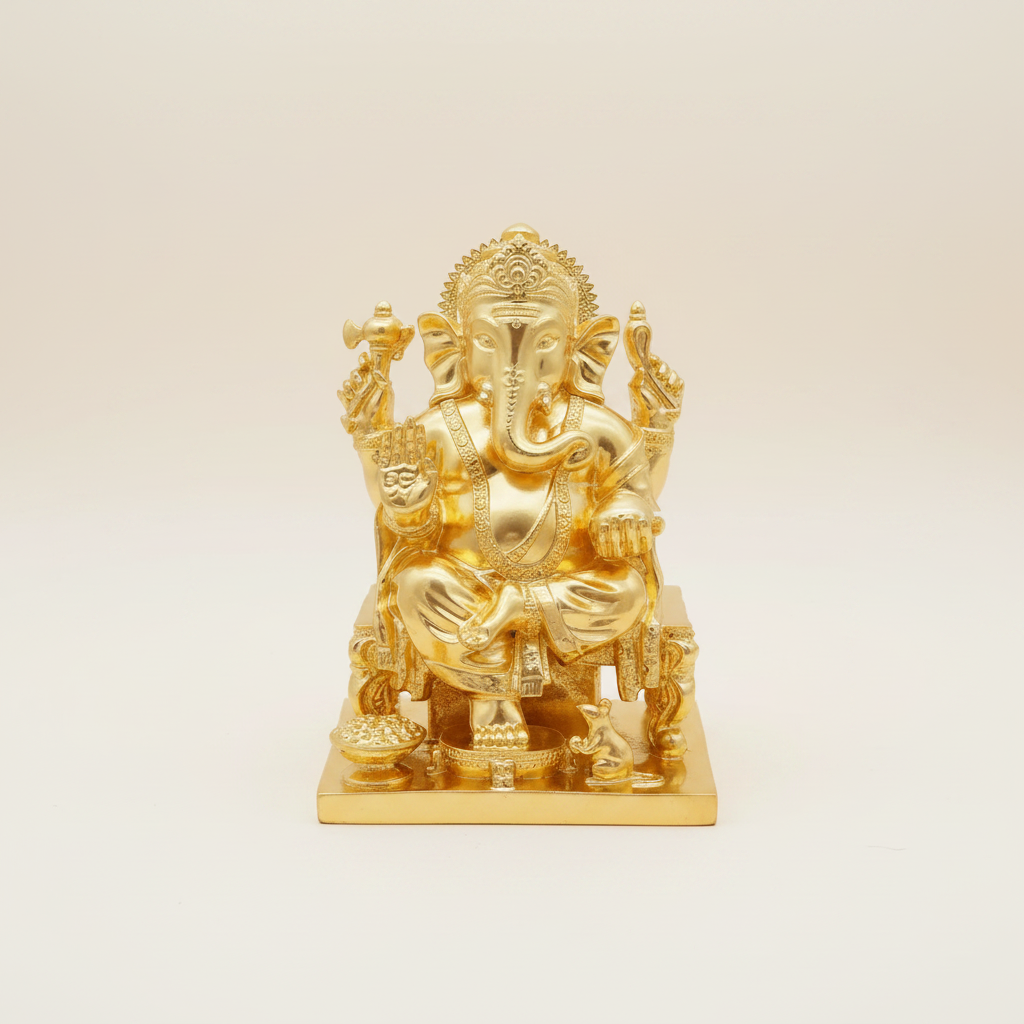
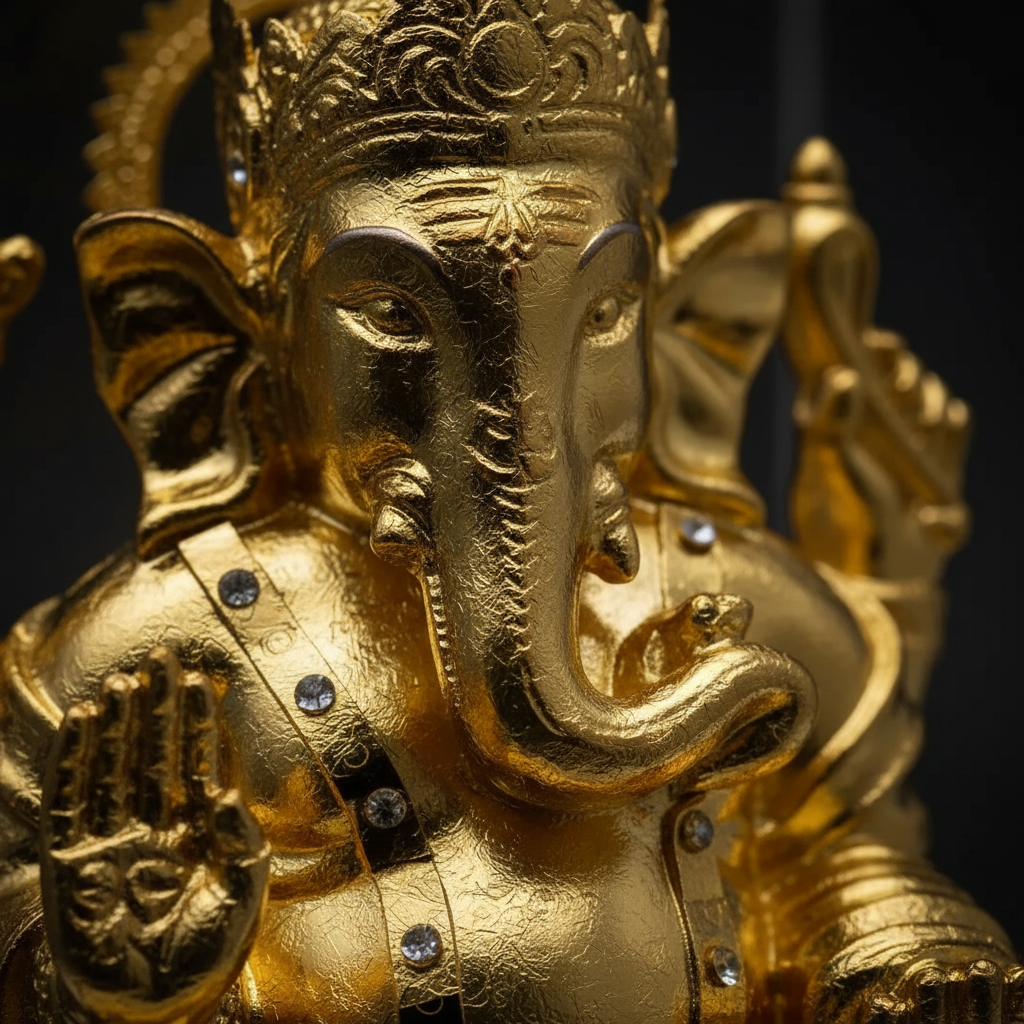
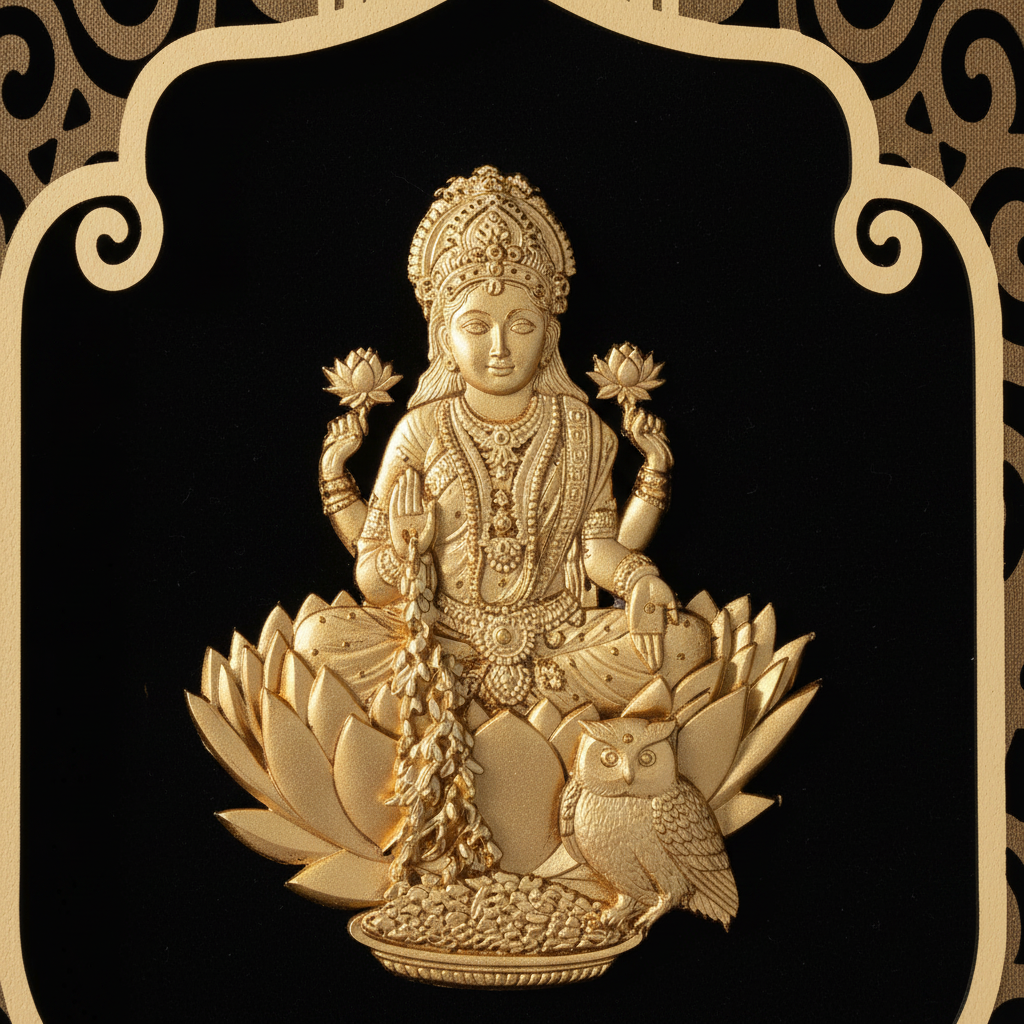
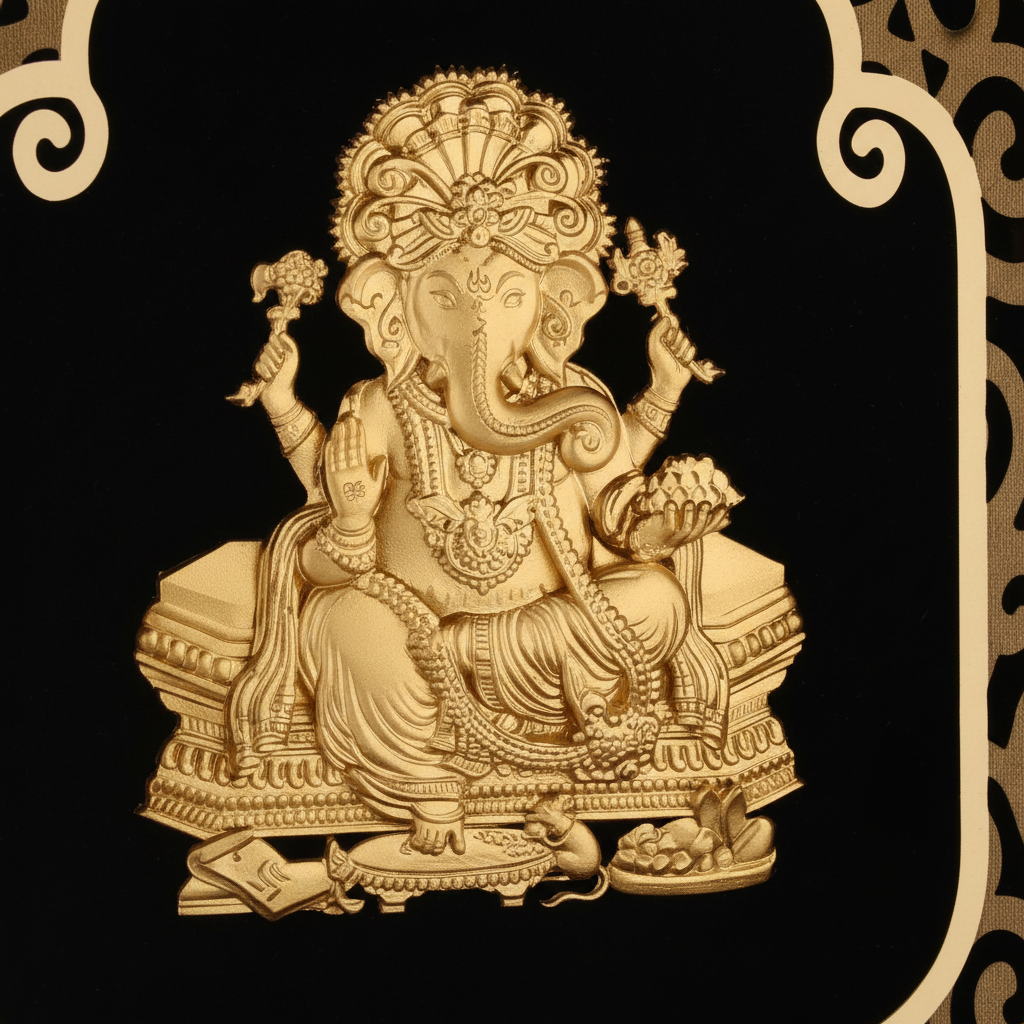
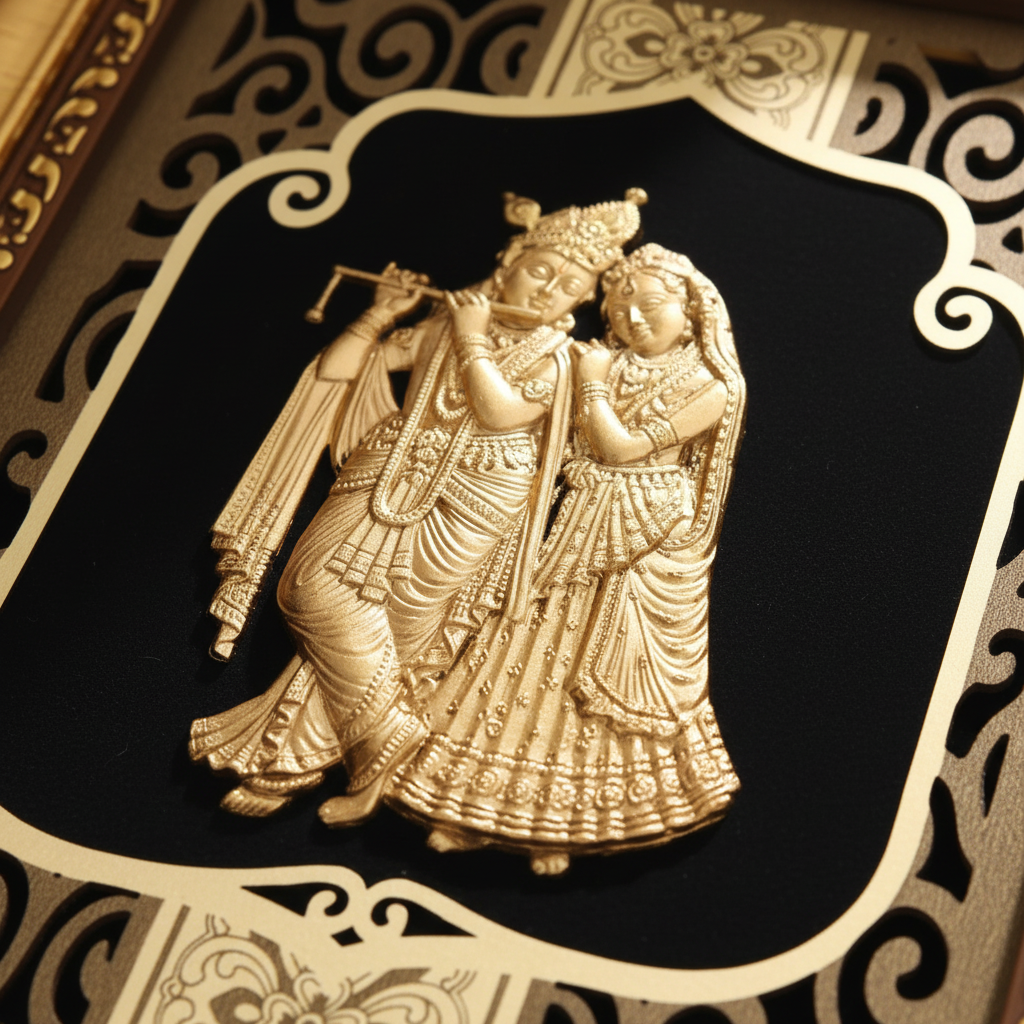
A 24K gold foil Lakshmi or Ganesha painting transforms the Diwali altar into a genuine sacred space. The light of Diwali is most beautifully reflected in gold — a permanent sacred presence that makes every year’s Diwali puja more meaningful, more beautiful, and more deeply connected to the tradition it celebrates.
Explore our collection of Lakshmi, Ganesha, and Radha-Krishna gold foil paintings — and find the image that will be the center of your family’s Diwali celebration for generations.
Om Shreem Mahalakshmiyei Namaha. May the light of Diwali illuminate your home, your family, and your heart — and may the goddess of abundance bring her fullest blessings into your life this and every year.