In this series
The Complete Guide to Ganesh Chaturthi: History, Rituals, and How to Celebrate at Home

Ganesh Chaturthi is one of the most joyful and widely celebrated festivals in the Hindu calendar — ten days of elaborate worship, community celebration, and devotion to Lord Ganesha, the elephant-headed deity who removes obstacles, grants wisdom, and blesses every new beginning. Celebrated across India and the global Hindu diaspora in August or September, it marks the birthday of the beloved first deity of the Hindu tradition.
The History of Ganesh Chaturthi
Ancient Origins
The worship of Ganesha on the fourth day (Chaturthi) of the bright fortnight of Bhadrapada month has roots in ancient Indian tradition. The Chaturthi tithi is considered sacred to Ganesha in every month of the year (Sankashti Chaturthi), and the Bhadrapada Shukla Chaturthi is the most auspicious of all, celebrated as Ganesha’s birthday. The festival was a major royal celebration under the Peshwas of the Maratha Empire in the 17th–18th century.
Bal Gangadhar Tilak and the Modern Festival
The most transformative moment in the festival’s history came in 1893, when freedom fighter Bal Gangadhar Tilak reorganized Ganesh Chaturthi from a household observance into a massive public celebration. Ganesha’s universal appeal — worshipped across all castes and sects — made him the ideal deity around whom the Indian public could gather regardless of sectarian affiliation. By establishing public pandals with communal worship, music, and processions, Tilak transformed the festival into a vehicle for community solidarity during the colonial period — a legacy that defines it to this day.
When Is Ganesh Chaturthi?
Ganesh Chaturthi falls on the fourth day of the bright fortnight of Bhadrapada month — typically August or September. The festival runs for ten days, concluding with the immersion of the Ganesha murti on Ananta Chaturdashi. The most auspicious time for installation and worship is the madhyahna (midday period) on Chaturthi day.
The Rituals: A Complete Guide
Preparing the Space
The home is thoroughly cleaned before the festival — Ganesha, like Lakshmi, is drawn to clean, well-maintained spaces. A raised platform is prepared for the Ganesha murti, covered with a clean red or yellow cloth and decorated with flowers and mango leaves.
Choosing the Murti
The traditional Chaturthi murti is made of natural clay (shadu clay in Maharashtra) — specifically so it can be dissolved during immersion. The deity arrives from the earth and returns to it. In many families, the clay murti sits alongside a permanent Ganesha painting or statue that remains in the mandir year-round — the special guest honored alongside the permanent sacred presence.
Pranapratishtha: Installation and Invocation
The Pranapratishtha — the invocation of Ganesha’s presence into the murti — is performed by a pandit or the head of the household through the Shodashopachara Puja (sixteen-step worship): washing of feet, water offering, bathing, clothing, sacred thread, sandalwood paste, flowers, incense, lamp, food offering, betel nut, and aarti with camphor flame.
Key offerings specific to Ganesha:
- Modak: Twenty-one modaks — Ganesha’s favorite sweet — are traditionally offered
- Durva grass: Offered in bunches of three or five blades throughout the puja
- Red hibiscus (jaswand): Ganesha’s favorite flower
- Coconut: A whole coconut as a symbol of the ego surrendered to the deity
Daily Puja During the Festival
Morning and evening puja is performed daily. Morning begins with Ganesha’s awakening (Mangal Snan) followed by the full Shodashopachara. The evening aarti is the most festive moment — accompanied by bhajan, kirtan, and the gathering of family and neighbors.
The Moon Prohibition
One of the most widely observed prohibitions is avoiding the sight of the moon on Chaturthi night. According to the Bhagavata Purana, the moon laughed at Ganesha after he fell from his mouse vehicle and was cursed. If one accidentally glimpses the moon, reciting the Syamantaka story is said to remove the inauspicious effect.
Visarjan: The Farewell and Immersion
The emotional culmination of Ganesh Chaturthi is the Visarjan — the farewell procession and immersion of the murti. Families carry their murtis accompanied by drumming, dancing, and the chant: “Ganpati Bappa Morya! Pudchya varshi lavkar ya!” — “Ganesha, come again next year, come quickly!” The clay form dissolves back into water, completing the cycle of the deity’s arrival and departure.

Ganesh Chaturthi Across India
- Maharashtra: The heartland of the festival. Pune’s Kasba Ganpati and Mumbai’s Lalbaugcha Raja draw millions of devotees. The Ananta Chaturdashi immersion processions in Mumbai are among the largest religious gatherings in the world
- Andhra Pradesh & Telangana: Major public celebrations; Hyderabad’s Khairatabad Ganesh is one of the tallest specially-made Ganesha murtis in India
- Goa: Chavath is considered the most important festival of the year for many Goan families, with a distinctly Konkani character
- Global Diaspora: Community temples and organizations across the US, UK, Australia, and Southeast Asia organize public celebrations that maintain cultural and religious connection across generations
Sacred Art for Ganesh Chaturthi

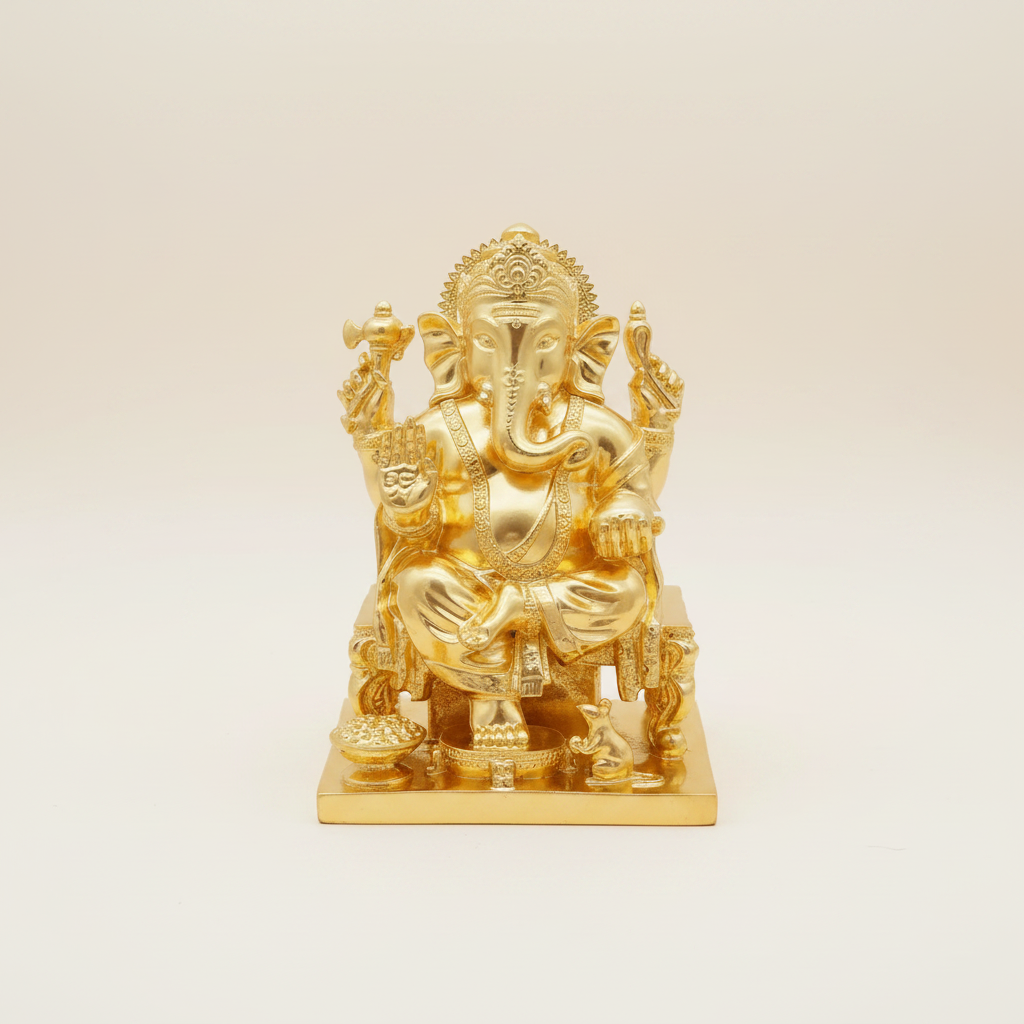
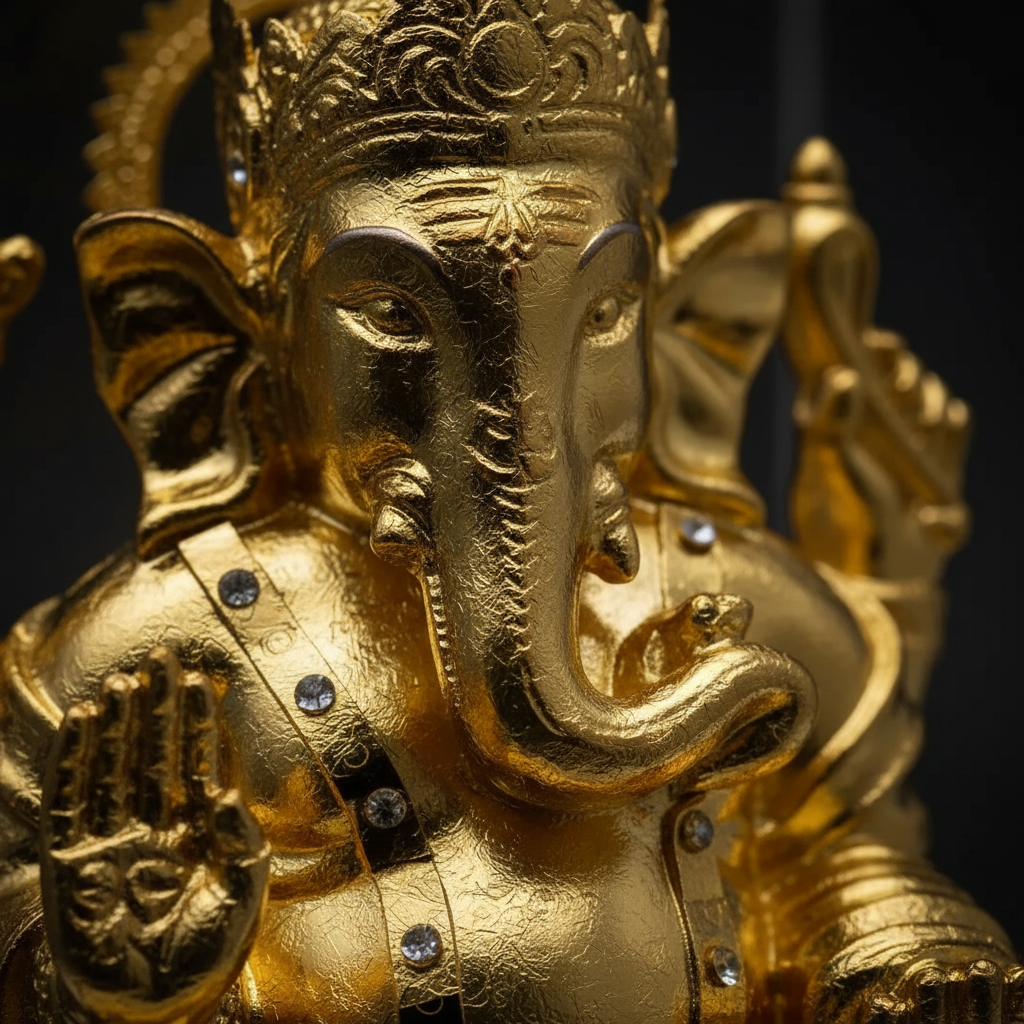
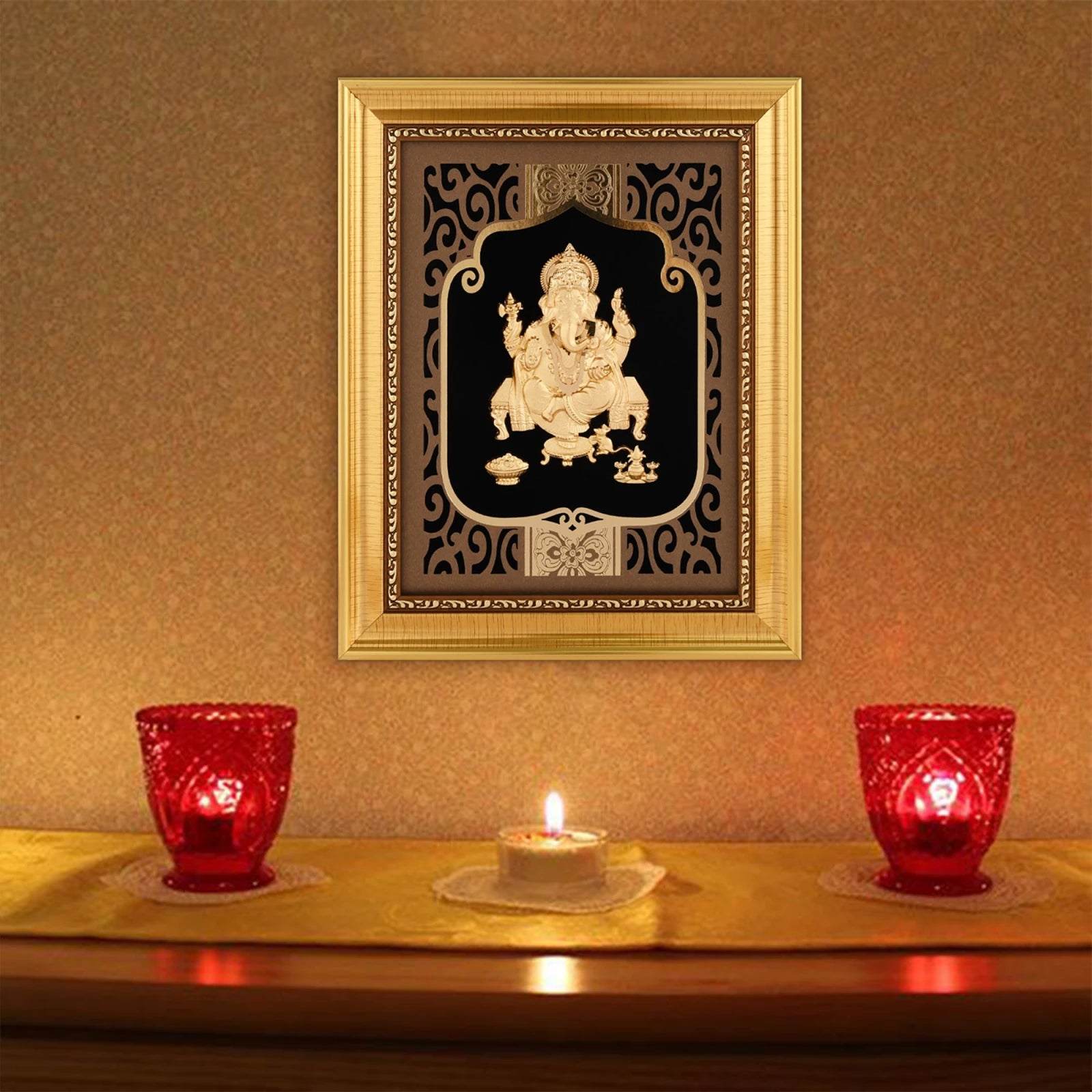
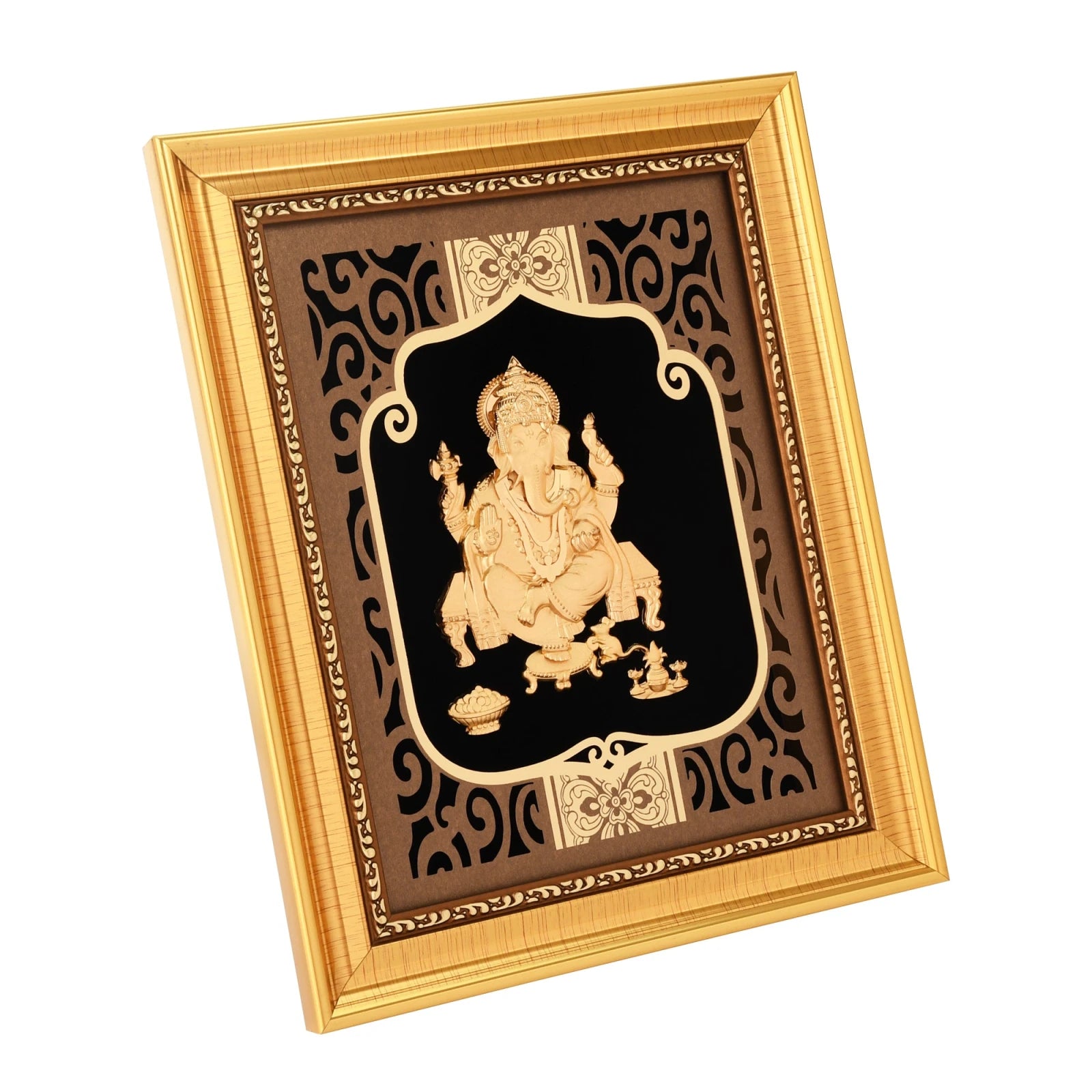
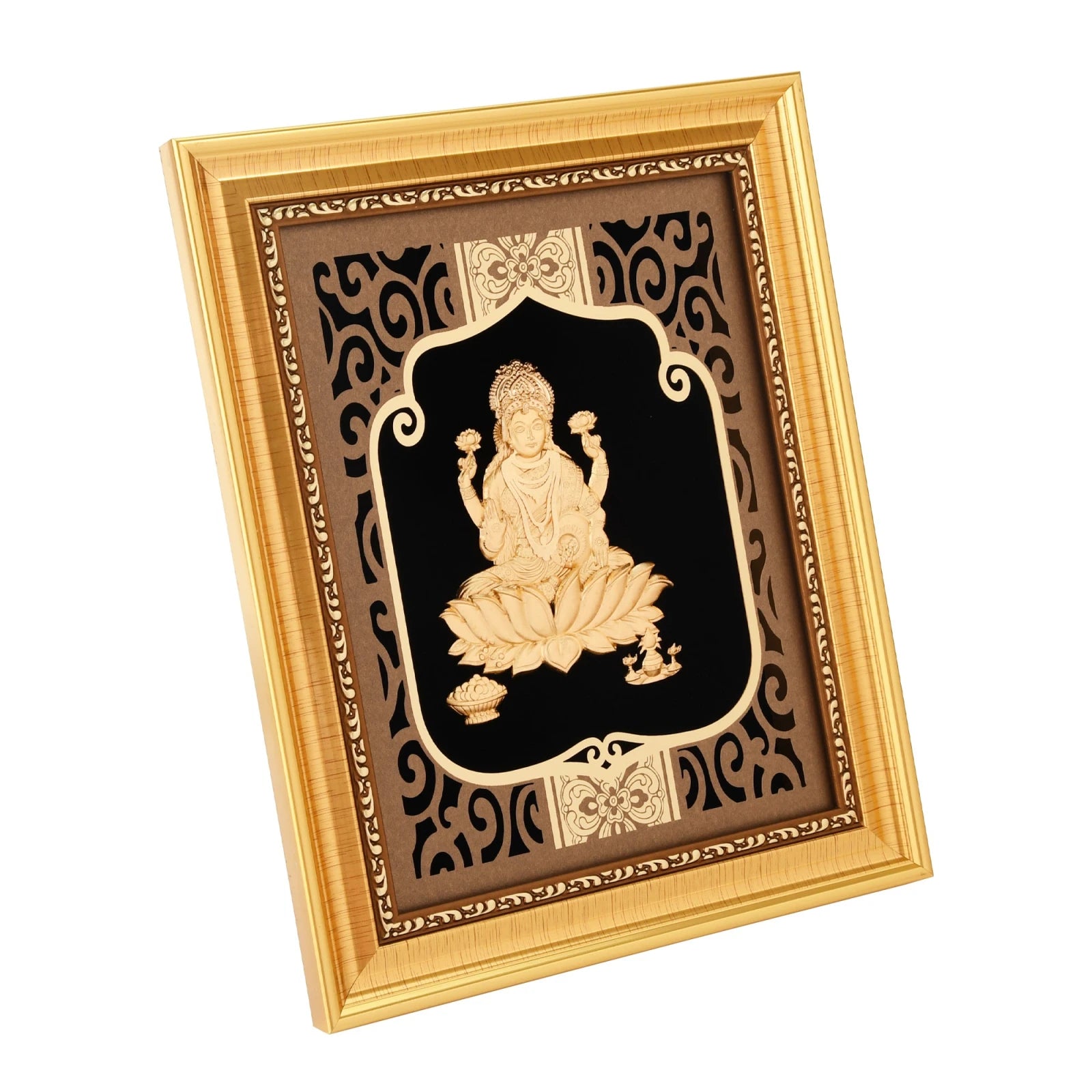
While the clay murti is the festival’s honored guest, the permanent Ganesha painting or statue in the mandir is the ongoing sacred presence that remains after the murti’s immersion. A 24K gold foil Ganesha painting ensures that when the clay murti departs, Ganesha’s presence in the mandir is renewed rather than diminished — the permanent center of your household’s Ganesh Chaturthi devotion, year after year.
Explore our collection of Ganesha gold foil paintings and sacred statues — and find the image that will anchor your home’s Ganesh Chaturthi celebration permanently.
Ganpati Bappa Morya! May the remover of obstacles bless your home, your family, and every new beginning with his grace and his joy.