In this series
Mandir vs. Puja Room: What's the Difference and Which One Do You Need?

If you’ve ever searched for guidance on setting up a sacred space in your home, you’ve likely encountered both terms: mandir and puja room. They’re often used interchangeably — but they describe different things, and understanding the distinction helps you set up the right kind of sacred space for your home, your practice, and your living situation.
What Is a Mandir?
The word mandir comes from Sanskrit: man (mind) + dir (direction) — literally, “a place that directs the mind.” In the home context, a mandir is the sacred altar unit itself — the cabinet, shelf, or structure that houses the deity images and puja items.
A home mandir can be: a dedicated wooden or marble cabinet, a wall-mounted shelf unit, a console table with deity images, or a single dedicated shelf within a larger furniture piece. The defining characteristic is the altar itself — the physical structure that holds the deity images and around which puja is performed. A mandir can exist anywhere in the home.
What Is a Puja Room?
A puja room is an entire room — or clearly defined dedicated space — set apart specifically for worship and devotional practice. The puja room contains the mandir as its centerpiece, but is larger in scope: a room where the sacred function is the primary and exclusive purpose.
A full puja room typically includes:
- A dedicated mandir cabinet or built-in altar structure
- Storage for puja supplies (flowers, incense, oil, prasad ingredients)
- Seating for extended puja and meditation
- Space for bhajan, chanting, or kirtan
- Dedicated lighting — often an akhand jyoti (continuously burning lamp)
- Sometimes a separate entrance marking the threshold between secular and sacred space

The Key Distinction
- A mandir is the altar — the sacred installation itself
- A puja room is a dedicated room that contains a mandir plus everything needed to support a full devotional practice
Every puja room has a mandir. Not every mandir requires a puja room.
In traditional Indian homes, a dedicated puja room was the standard — an entire room set aside exclusively for sacred use. In contemporary apartments and smaller homes, the puja room has largely been replaced by the home mandir: a beautifully designed altar integrated into the living space.
Which One Is Right for Your Home?
Choose a Home Mandir If:
- You live in an apartment or a home without a spare room
- Your daily practice is 5–30 minutes centered on morning puja, aarti, and prayer
- You want the sacred space integrated into your living area as a beautiful focal point
- You’re setting up your first sacred space and want to start simply
- You’re an NRI family maintaining devotional practice within the constraints of Western apartment living
Consider a Dedicated Puja Room If:
- You have a spare room that can be permanently dedicated to sacred use
- Your practice includes extended rituals, homas, or regular group puja
- You chant, sing bhajans, or play instruments and need acoustic separation
- Multiple family members have independent daily practices that benefit from a dedicated space
Designing Your Mandir for the Living Space
When a mandir is integrated into a secular space, design becomes important. The mandir must:
- Command its own visual territory: Clearly distinct from surrounding secular furniture, not lost among bookshelves and sofas
- Be beautiful enough to elevate the room: The sacred art at the center should be the most beautiful object in the space, worthy of the attention it receives from family and guests
- Maintain its sanctity: Clear boundaries — a dedicated mat, a closing cabinet door, or consistent cleanliness — preserve the mandir’s sacred character even surrounded by everyday life
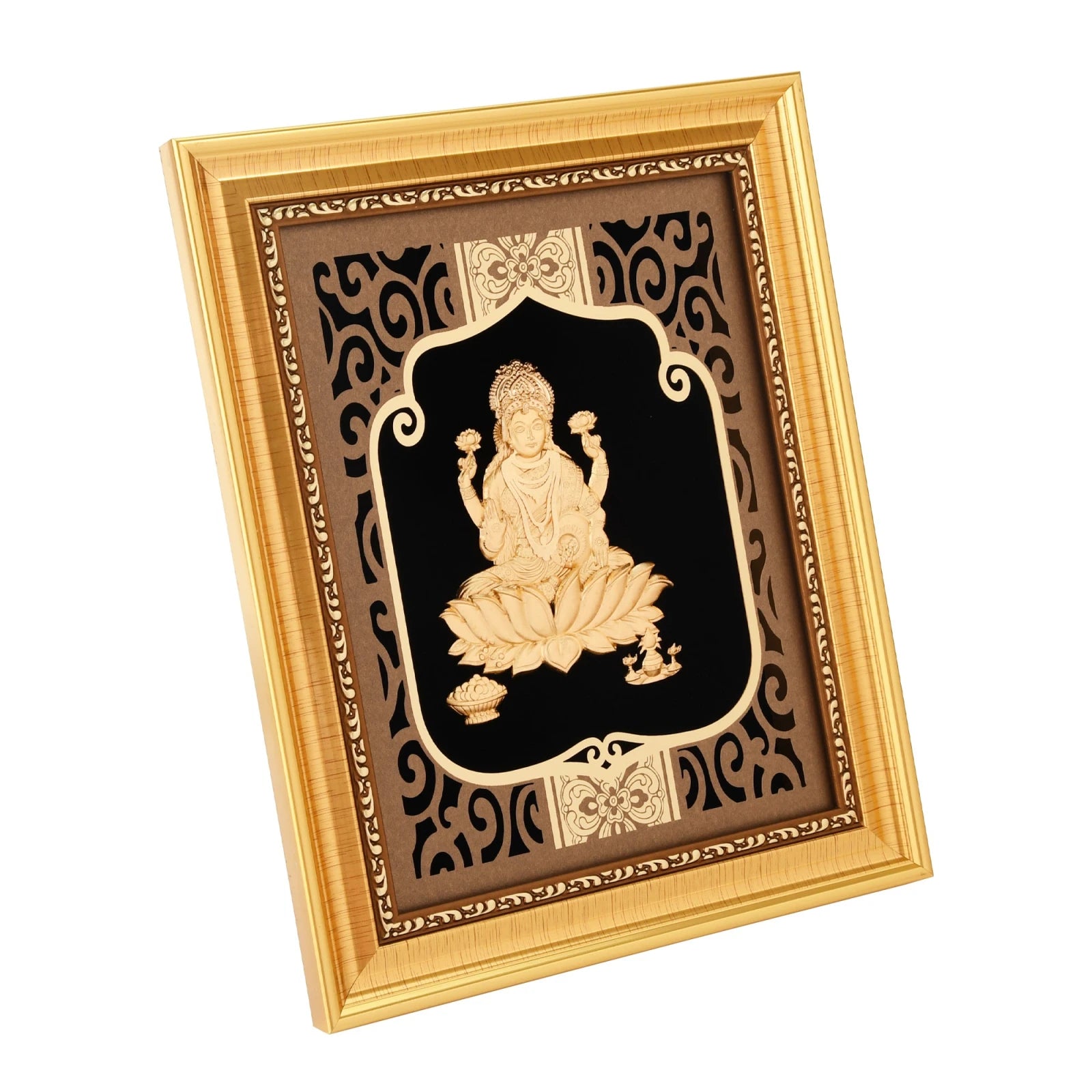
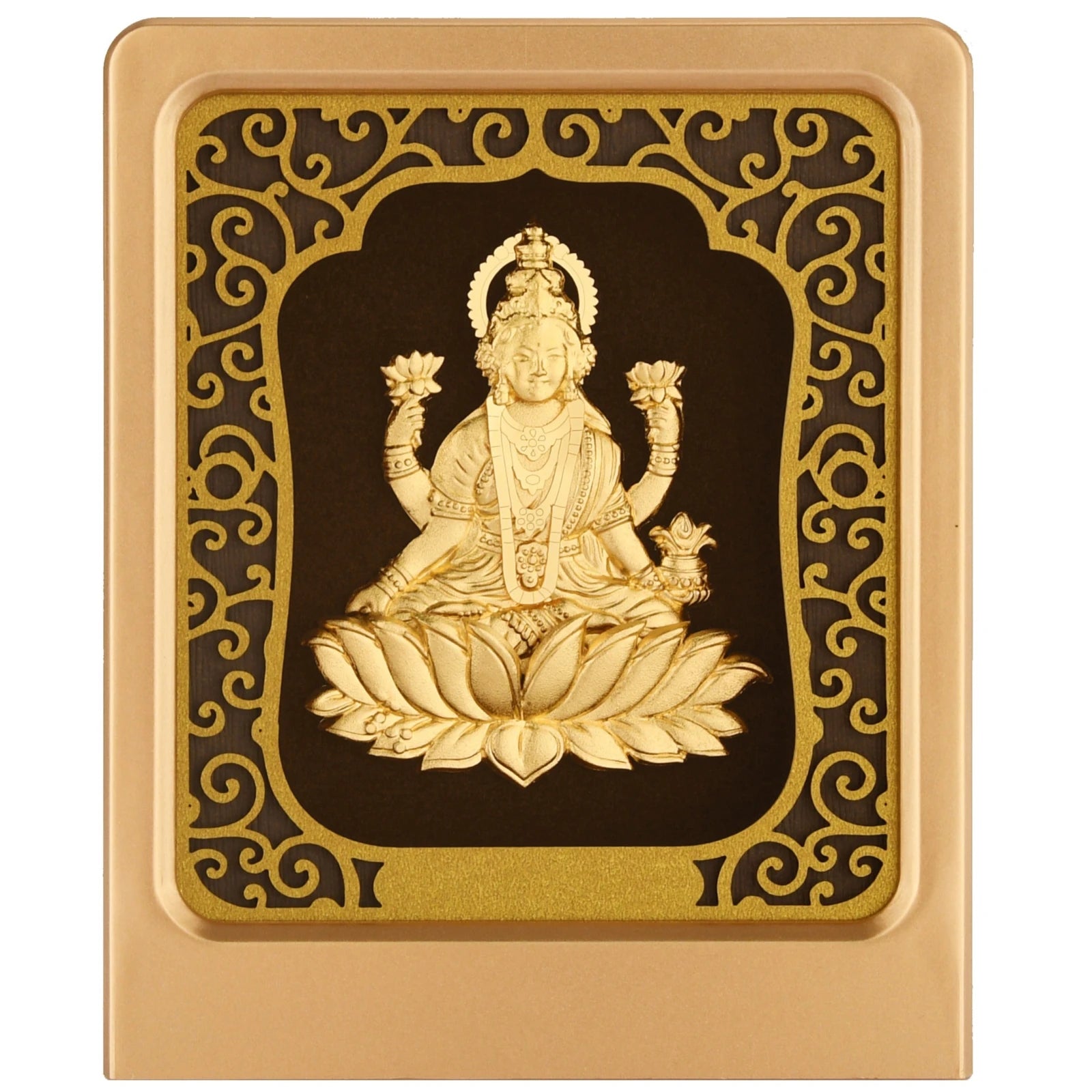
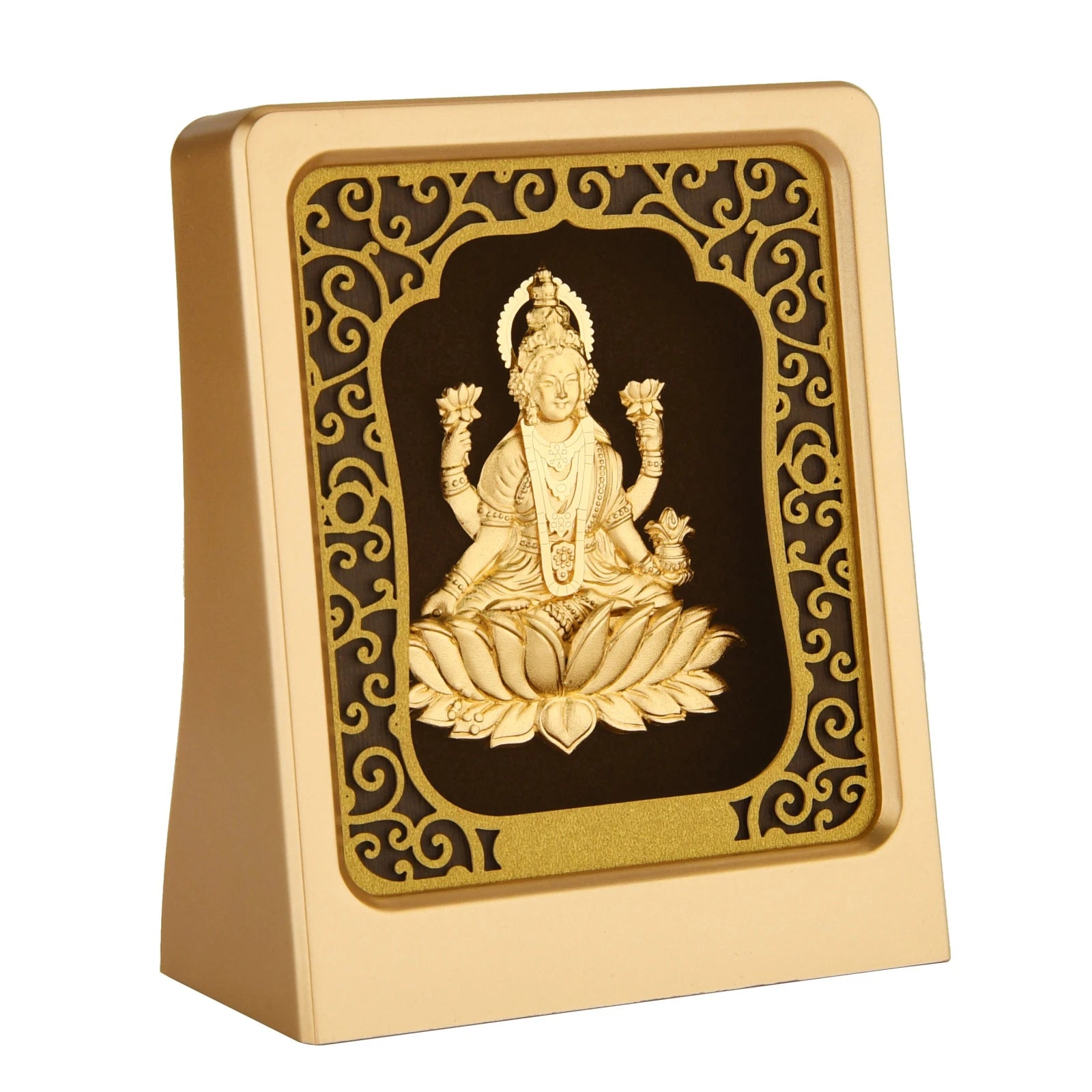
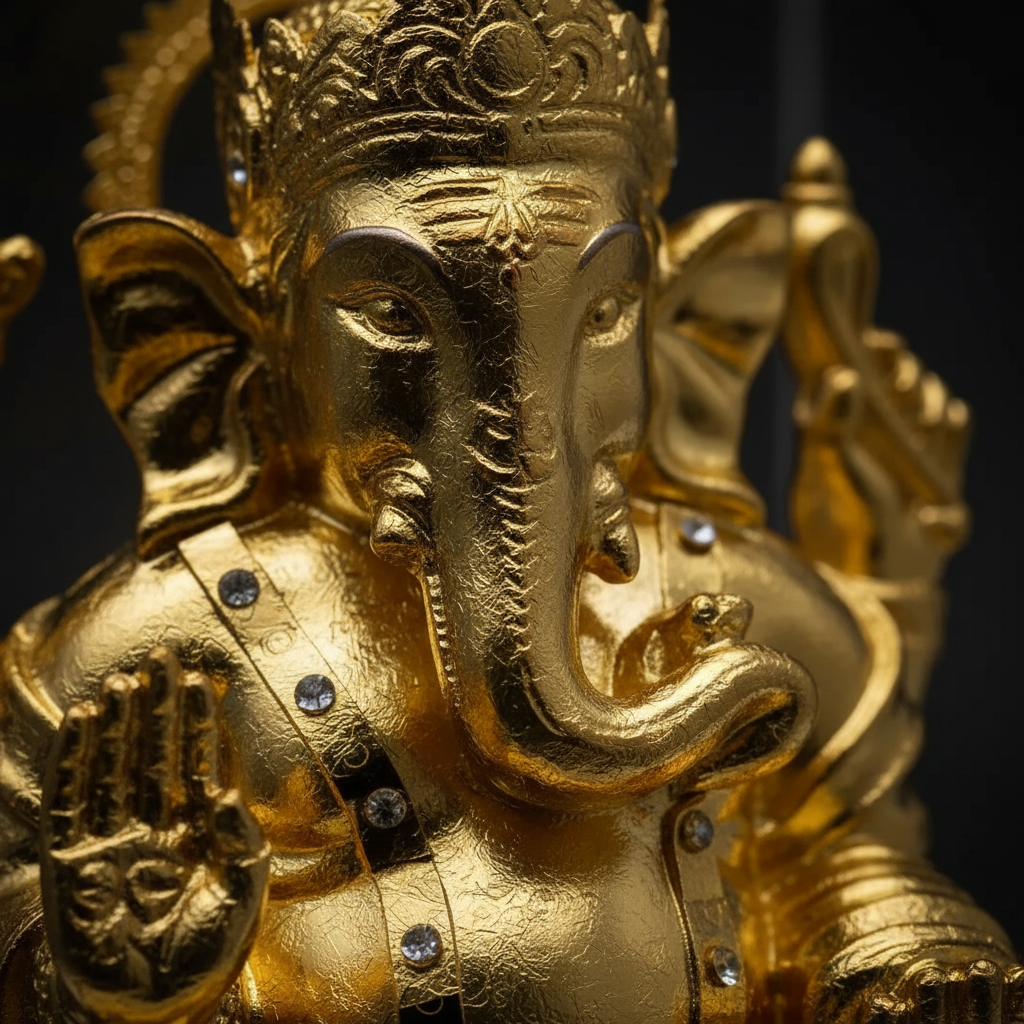
This is where the choice of sacred art becomes especially consequential. A 24K gold foil deity painting — with its luminosity, iconographic integrity, and material quality — commands presence in a living space in a way that a printed poster cannot. It holds the visual territory of the mandir against the secular environment around it.

A Note on Terminology by Region
- South Indian tradition: Puja room or pooja room — the more common term for both the altar and the dedicated room
- North Indian tradition: Mandir — more commonly used for the altar unit itself
- Gujarati households: Devghar (house of gods)
- Bengali tradition: Thakur ghor (room of the deity)
All describe the same fundamental reality: a dedicated sacred space at the heart of the home, organized around deity images and daily worship.
The Bottom Line
If you have a dedicated room, a full puja room allows the deepest devotional practice. If you don’t — which is the reality for most people — a beautifully designed home mandir in the living space is not a lesser option. It is a complete sacred space, fully capable of supporting a genuine and meaningful daily practice.
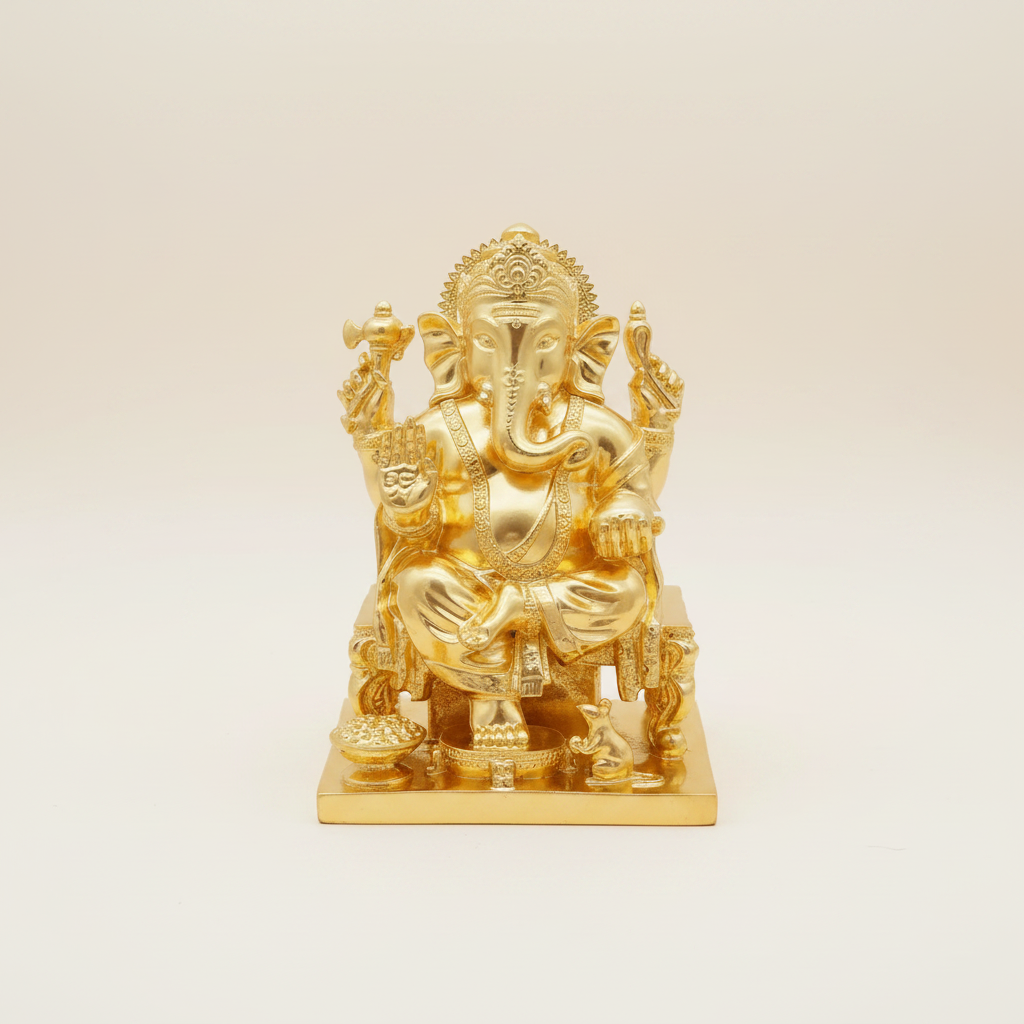
The sacred art you choose for the center of that mandir matters enormously. Explore our collection of 24K gold foil deity paintings and sacred statues — and find the piece that will anchor your sacred space with the presence, beauty, and quality it deserves.
Whether your sacred space fills an entire room or a single shelf, may it be the most meaningful corner of your home.