In this series
Who Is Goddess Saraswati? The Complete Guide to the Goddess of Knowledge and Arts

Goddess Saraswati is the Hindu goddess of knowledge, learning, wisdom, music, arts, speech, and the creative power of the mind. She is worshipped by students, scholars, musicians, artists, and writers — and in the Hindu understanding, she is not merely the patron of human learning but the divine intelligence that makes all knowledge possible, the sacred power through which consciousness expresses itself in language, music, and art.
Saraswati’s Origins: The Goddess of the Sacred River
Saraswati’s origins are among the oldest in the Hindu tradition. In the Rigveda — the most ancient layer of Hindu scripture — she appears first as a mighty sacred river of the Vedic world, later believed to flow underground and join the Ganga and Yamuna at Prayagraj. Over time, the river goddess became associated with the purifying qualities of sacred speech — the Vedic hymns composed along her banks. As the river of sacred speech, she became the goddess of Vak — the divine power of language — and from there, the full range of human knowledge and creative expression.
By the classical Puranas, Saraswati had fully emerged as the consort of Brahma — the creator deity — and as the Shakti through which his creative function is expressed. Just as Brahma creates the forms of the universe, Saraswati provides the intelligence, speech, and artistic power that make those forms meaningful.
What Saraswati Is the Goddess Of
- Vak (Sacred Speech): The capacity of words to reveal truth, perform ritual, create meaning, and connect the human to the divine
- Vidya (Knowledge): All forms of learning — Vedas, philosophy, science, mathematics, grammar, and every discipline the human mind can pursue
- Sangita (Music): In the Indian classical understanding, music is a spiritual practice and a direct path to the divine through sound
- Kala (Arts): All creative arts — painting, sculpture, dance, poetry — are under her blessing
- Buddhi and Viveka: The capacity to think clearly and discriminate between truth and illusion
Saraswati’s Iconography: What the Symbols Mean

- The White Sari and Complexion: White represents sattva — purity, clarity, and truth. Saraswati’s white speaks to the pure, disinterested nature of genuine knowledge — learning pursued for its own sake
- The Veena: Her most distinctive attribute. The tuned strings represent the mind brought to its proper attunement through knowledge. In the deepest sense, the cosmic veena represents Nada Brahman — the universe as vibration, with music most directly aligned with the fundamental nature of reality
- The Book (Pustaka): The Vedas — representing the primacy of sacred knowledge and the written transmission of wisdom across generations
- The Rosary (Japamala): Wisdom gained through sustained contemplative practice rather than mere study
- The White Lotus: Purity and spiritual truth — consciousness unmixed with worldly concern
- The Swan (Hamsa): Her vahana, said to separate milk from water when mixed — a symbol of viveka (discrimination), the capacity to separate true from false, essential from inessential. The word Hamsa is also the natural mantra of the breath — connecting knowledge to the fundamental rhythm of life
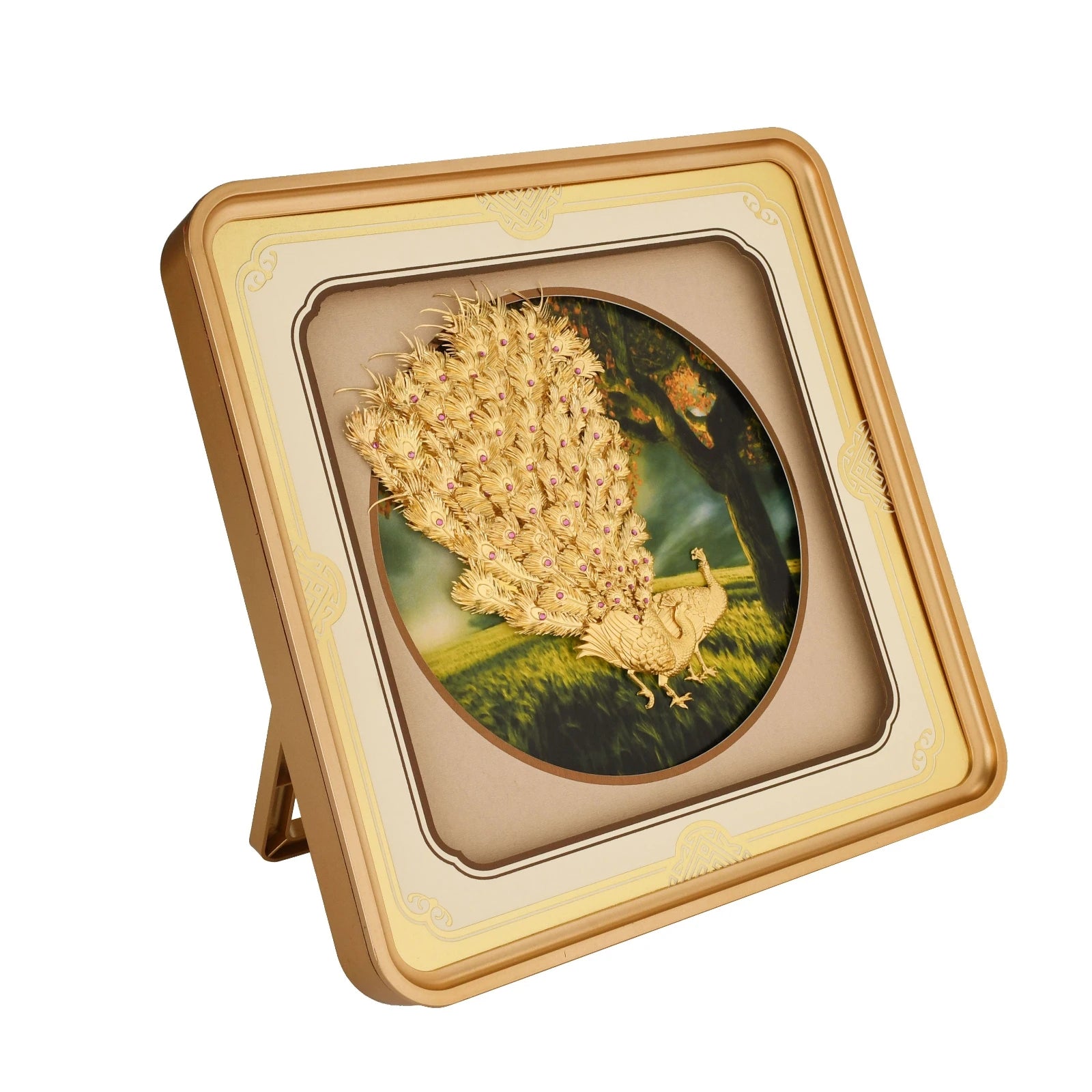
- The Peacock: In some depictions, representing the beauty and splendor of the arts that Saraswati’s wisdom tempers with the reminder that true beauty serves truth
Saraswati and the Tridevi
Saraswati is one of the three great goddesses — the Tridevi — alongside Lakshmi and Parvati, each representing a fundamental dimension of the divine feminine: Saraswati (knowledge and creative power), Lakshmi (prosperity and grace), and Parvati/Durga/Kali (power and transformation). The three are aspects of a single divine reality — Adi Shakti — expressing through knowing, being, and acting.
Vasant Panchami: The Festival of Saraswati
The most important Saraswati festival is Vasant Panchami — “the fifth day of spring” — celebrated in January–February, marking the arrival of spring and the most auspicious day for beginning new learning or artistic projects.

On Vasant Panchami, students place books and instruments before Saraswati’s image to receive her blessing. Children are initiated into their first letters — Vidyarambha — the most auspicious beginning for a child’s education. Musicians worship their instruments as expressions of the goddess. Yellow — the color of mustard flowers blooming in spring — is the color of the day.
In Bengal, Saraswati Puja is among the most beloved festivals, celebrated in schools and colleges where students place their textbooks before the goddess and fast from study — a gesture of surrender to the goddess’s grace.
Saraswati in Your Home
A Saraswati image in the home mandir or study room carries the blessing of the goddess’s presence where learning and creative work happen. For families with children, it establishes the sacred dimension of learning from the earliest years. For artists, musicians, writers, and scholars, it is an ongoing reminder that creative and intellectual gifts are not purely personal achievements but expressions of a grace that flows through the practitioner from a divine source.
Explore our collection of 24K gold foil deity paintings — and find the image of the goddess of knowledge that will bring her blessing into your home and your work.
Om Aim Saraswatyai Namaha. May the goddess of knowledge and creative power illuminate your mind, purify your speech, and make your work an expression of truth and beauty.