In this series
Vastu for Home Mandir: Which Direction Is Best for Your Puja Room?

Where you place your home mandir matters — not just aesthetically, but energetically. Vastu Shastra, the ancient Indian science of spatial arrangement and directional energy, provides precise guidance on the most auspicious locations for a home mandir. Getting this right from the beginning ensures that your sacred space is aligned with the subtle energies of your home — and that your daily puja practice is supported rather than obstructed by the environment around it.
This guide explains the Vastu principles for home mandir placement in plain, practical terms — covering the ideal directions, the directions to avoid, and solutions for constrained living situations.
The Foundation: How Vastu Understands Directional Energy
Vastu Shastra divides the home into zones based on the eight directions, each governed by a specific deity and associated with particular qualities of energy:
| Direction | Governing Deity | Associated Energy |
|---|---|---|
| Northeast (Ishanya) | Ishana (Shiva) | Divine wisdom, spiritual clarity, sacred energy |
| East (Purva) | Indra / Surya | Vitality, new beginnings, solar energy |
| North (Uttara) | Kubera | Wealth, abundance, prosperity |
| West (Pashchima) | Varuna | Stability, settlement, completion |
| South (Dakshina) | Yama | Endings, ancestors, karmic energy |
| Southwest (Nairutya) | Nairriti | Instability, heavy energy, obstacles |
| Southeast (Agneya) | Agni | Fire energy, transformation |
| Northwest (Vayavya) | Vayu | Movement, change, air energy |
The Best Direction: Northeast (Ishanya Corner)
The northeast corner is universally considered the most auspicious location for a home mandir. The reasons are multiple and mutually reinforcing:
- Governed by Ishana (Shiva): The northeast is ruled by Shiva in his aspect as lord of knowledge and divine grace — aligning your sacred space with spiritual clarity
- Morning sunlight: In the northern hemisphere, the northeast receives the first light of the morning sun — the purest, most sattvic light of the day
- Brahmasthana connection: Energy flows from northeast to southwest in Vastu; the mandir placed at the northeast source point allows its blessing to permeate the entire home
- Water element: The northeast is associated with flow, receptivity, and spiritual nourishment — ideal qualities for a devotional space
Practical application: Identify where your north and east walls meet. Place your mandir here with the primary deity facing southwest — so the deity faces you as you face northeast during puja.

Second-Best: East Wall
If the northeast corner is unavailable, the east wall is the next most auspicious choice. Facing east during puja aligns you with the rising sun — Indra’s and Surya’s direction, associated with vitality and divine radiance. The deity sits on the east wall facing west (toward you).
Third Option: North Wall
The north wall — Kubera’s direction — is particularly auspicious for a Lakshmi mandir. For households focused on abundance and prosperity, a north-wall mandir is directly supported by Vastu. You face north during puja; the deity faces south toward you.
Directions to Avoid
- South wall — strongly avoid: Yama’s direction. The one direction that traditional guidance consistently warns against for mandir placement
- Southwest corner — avoid: The heaviest, most tamasic zone of the home — governed by Nairriti, associated with instability and obstacles
- Southeast corner — generally avoid: Agni’s fire zone, traditionally used for the kitchen. Its combustive energy is not ideal for a devotional space
Common Situations and Practical Solutions
The Bedroom Mandir
Traditional Vastu guidance recommends keeping the mandir outside the bedroom. If the bedroom is the only option: place the mandir in the northeast corner of the bedroom, use a cabinet with doors or a curtain to conceal the deity images during sleep, and ensure no clutter or secular items are near the altar.
The Apartment with No Northeast Corner Access
If the northeast corner is occupied by a bathroom or structural wall, use the east wall first, then the north wall. A floating shelf in the correct direction — even in a small apartment — creates a complete and Vastu-aligned mandir within minimal footprint.

Which Way Should the Deity Face?
The rule is simple: the deity faces the worshipper. Mandir on east wall → deity faces west (toward you). Mandir in northeast corner → deity faces southwest (toward you). The deity should never face directly south.
A Note on Practical Wisdom
Vastu principles are guidelines, not inviolable laws. The most important factor in a home mandir is not its compass direction but the sincerity and consistency of the practice it supports. A mandir in a slightly imperfect Vastu position, used daily with genuine devotion, is infinitely more auspicious than a perfectly positioned altar that is neglected.
Use Vastu guidance to make the best possible choice within your actual living situation — then focus your energy on the quality of your daily practice.
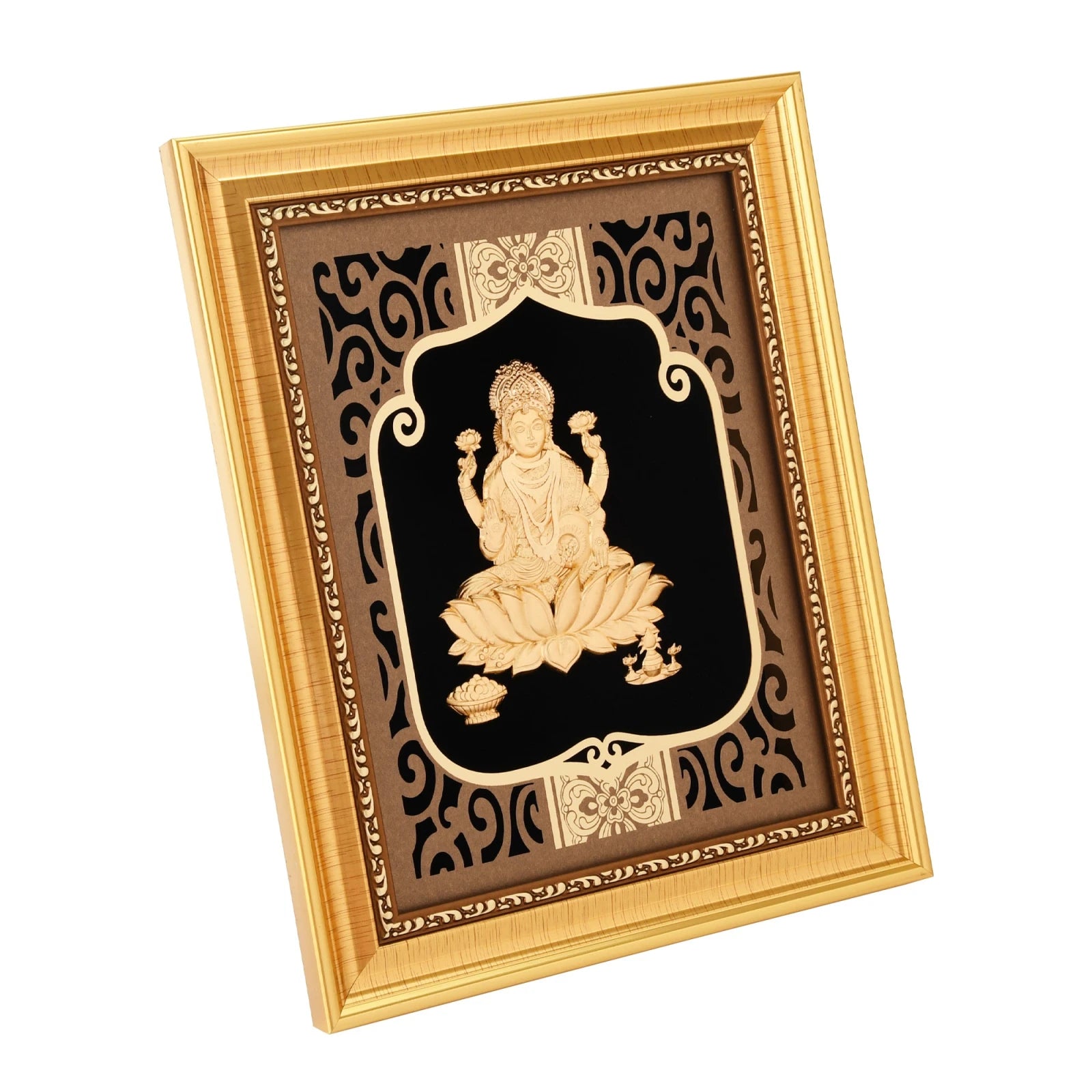
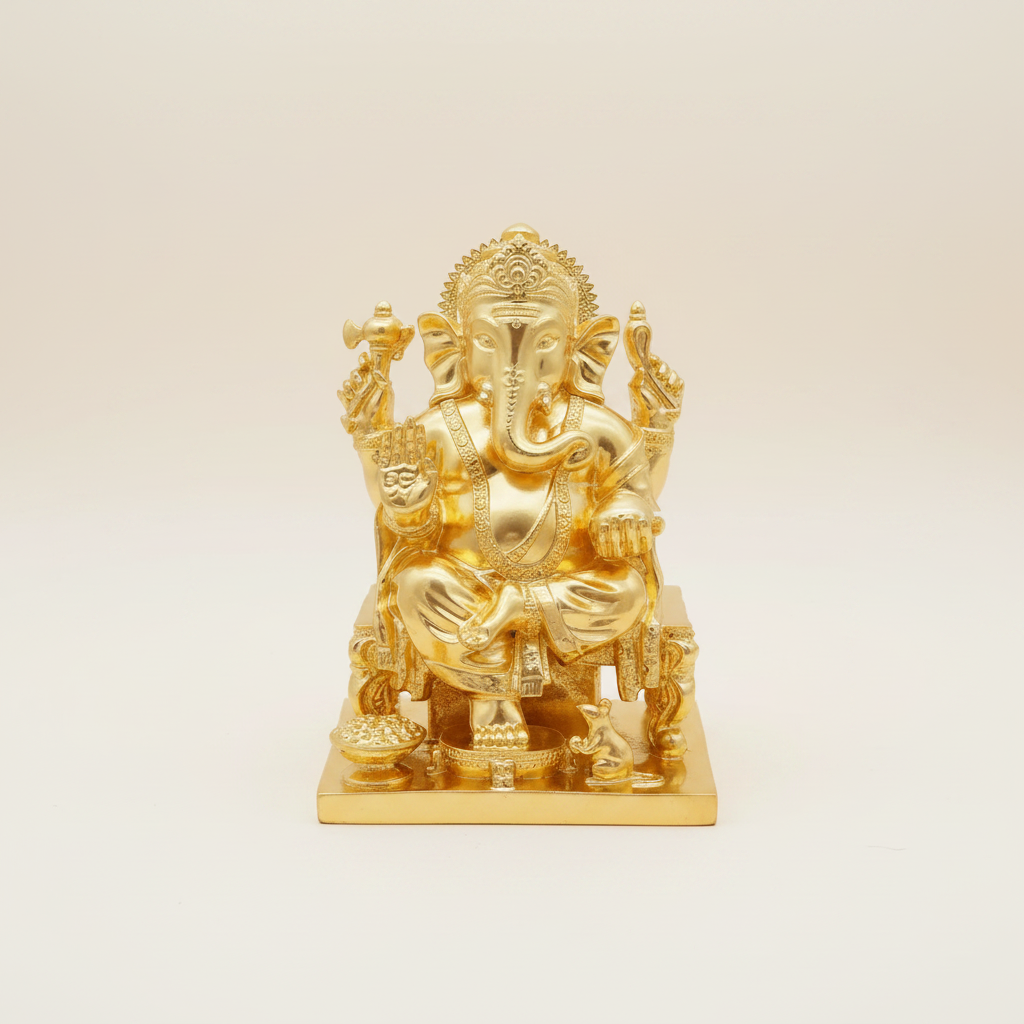
Once you’ve chosen the right location, explore our collection of 24K gold foil deity paintings and sacred statues to anchor your space with beauty, presence, and genuine devotional power.
May your mandir find its perfect place in your home — and may the practice it supports become the most nourishing part of your day.