In this series
What Should I Place in My Home Mandir? A Complete Guide to Altar Items

Setting up a home mandir for the first time — or refining an existing one — often raises a practical question that seems simple but reveals real depth: What exactly should be on the altar?
The answer varies by tradition, family lineage, and the deities being worshipped. But there is a core set of items that belongs on virtually every Hindu home mandir, a set of traditional additions that deepen the space, and a set of principles for deciding what to include based on your own practice.
The Three Categories of Mandir Items
- The sacred images — the deity paintings or statues that are the living center of the altar
- The puja implements — the ritual objects used in daily worship
- The offerings — the substances placed before the deity as expressions of devotion
A complete mandir includes all three; even the simplest mandir needs at least one item from each category.
Category 1: The Sacred Images
The Primary Deity
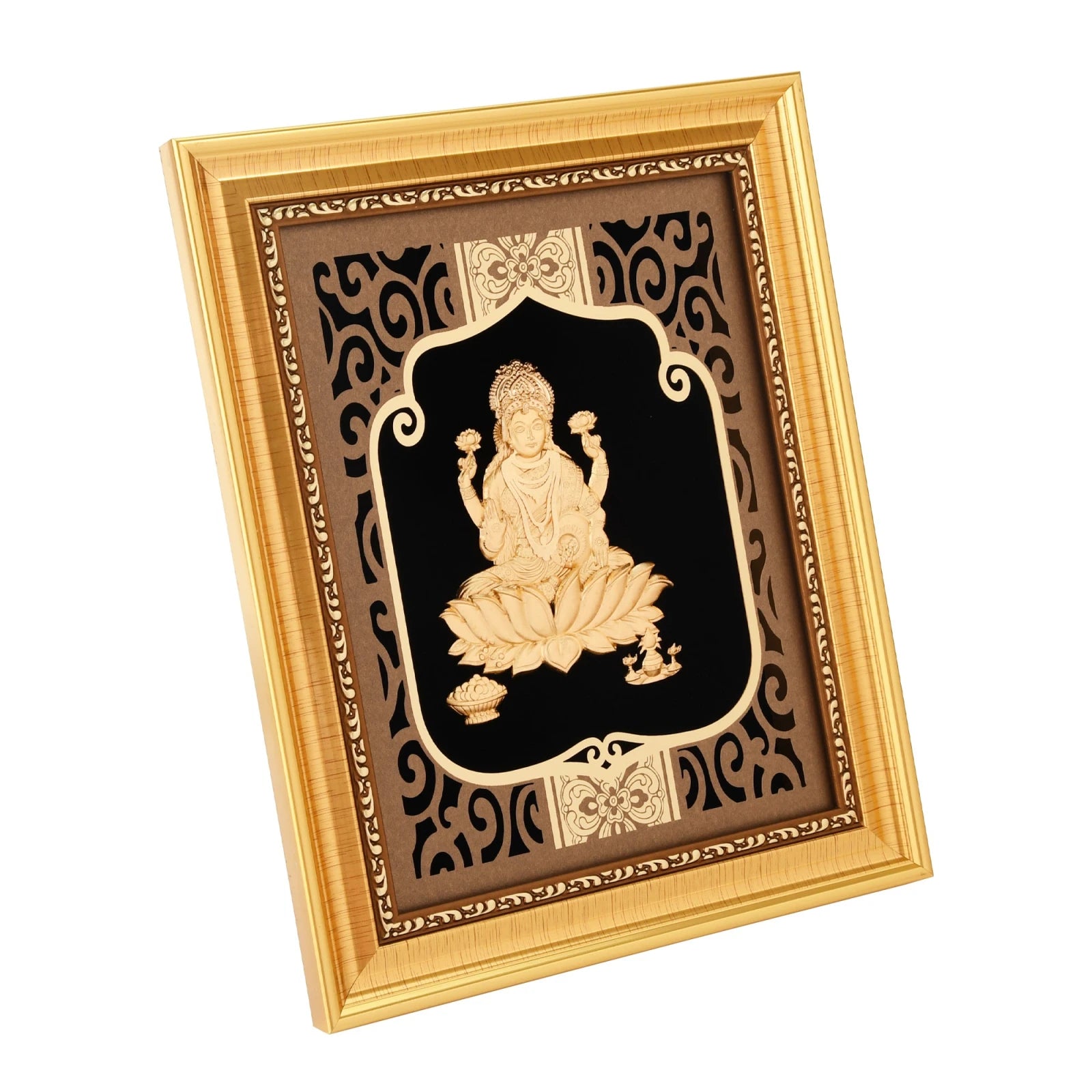
The primary deity occupies the center and the most prominent position on the altar — the one to whom your household is most devoted. For most Hindu households, the Diwali mandir features Lakshmi as the central deity. For Vaishnava households, Krishna or Vishnu. For Shaiva households, Shiva. For Shakta households, Durga or Devi.
Ganesha — Always Present
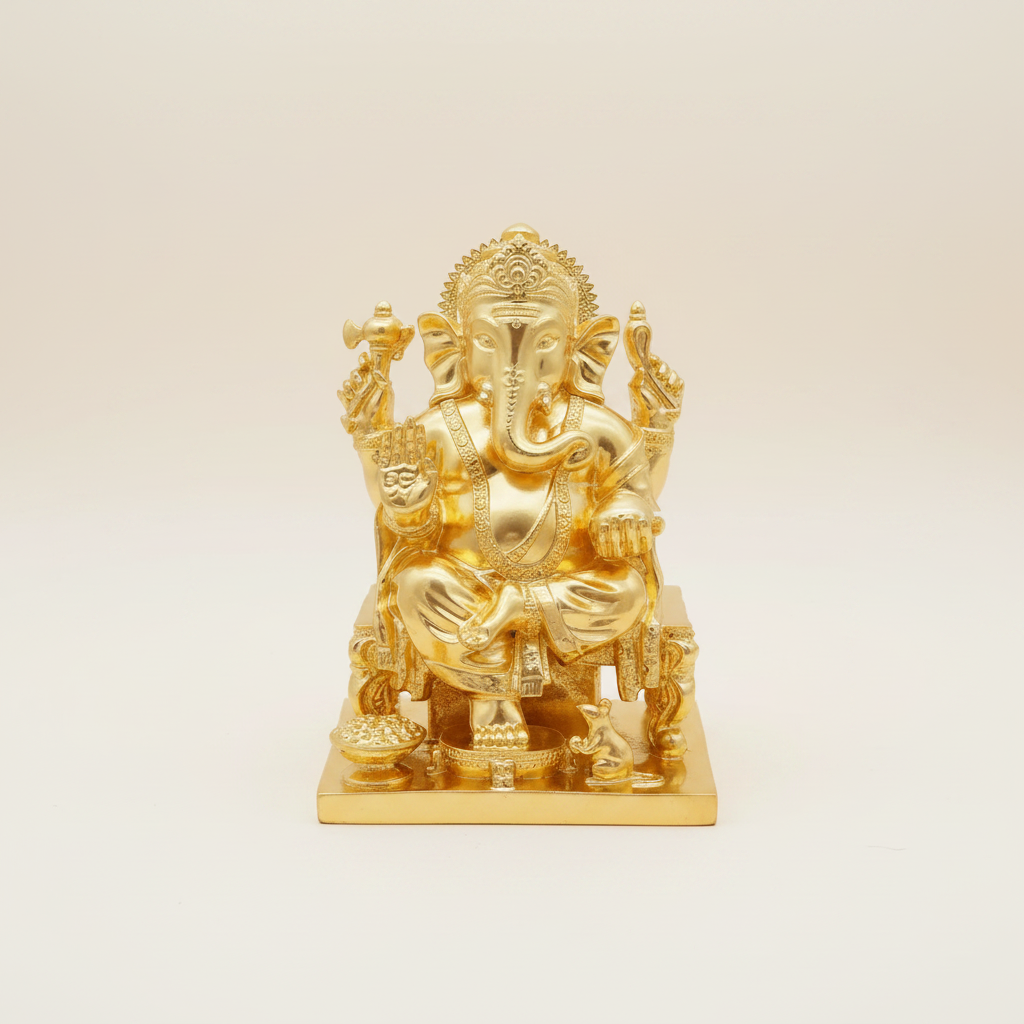
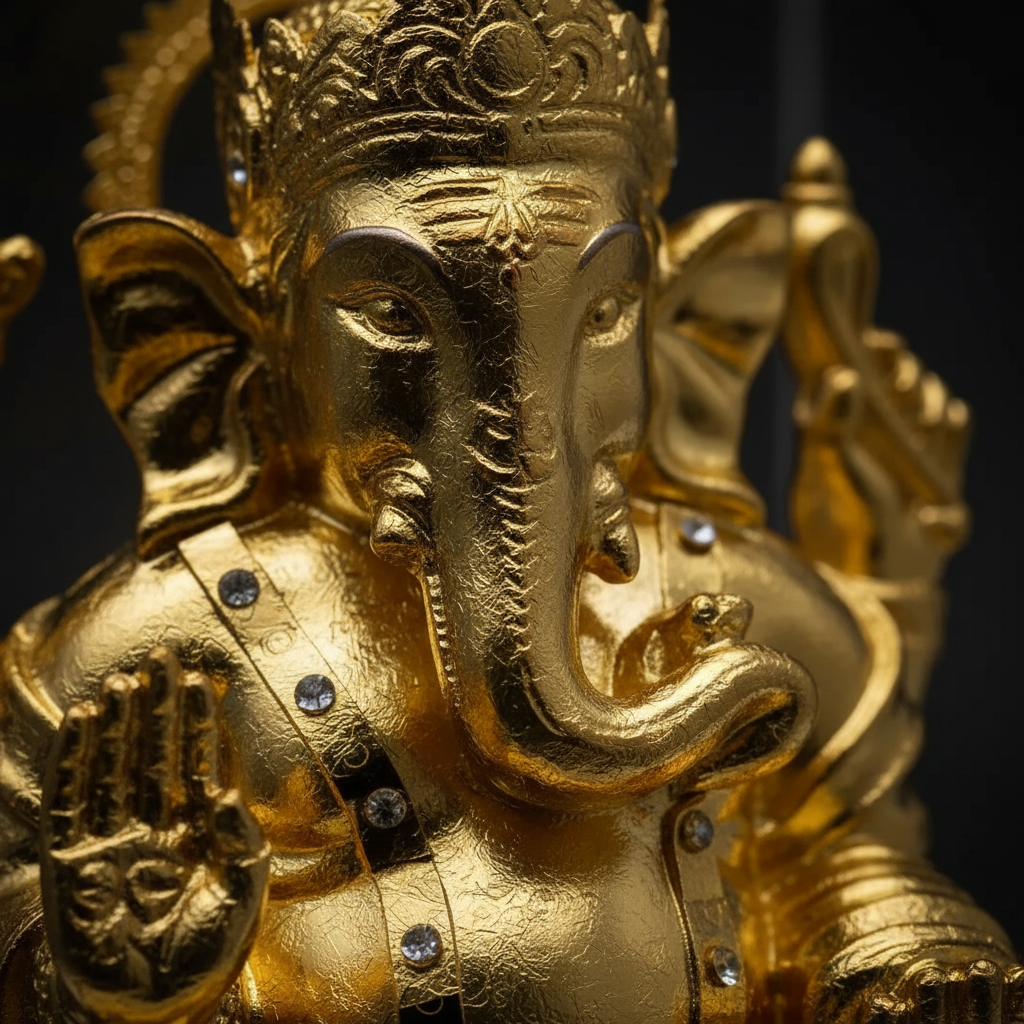
Ganesha belongs on every Hindu mandir, regardless of sectarian affiliation. As Vighnaharta and the lord of beginnings, Ganesha is invoked first in every ritual. His presence is the foundation upon which every other act of worship rests.
Placement: To the right of the primary deity from the viewer’s perspective.

Additional Deities
- Saraswati — for households with students, artists, or those in intellectual fields
- Hanuman — for protection, strength, and devotion
- Family kula devata — the ancestral deity of the family’s lineage
- Guru or saint images — photographs of one’s spiritual teacher or a revered saint
A note on quantity: Every deity present should receive genuine attention during puja. A smaller mandir with two or three deities worshipped with full devotion is more alive than a crowded altar where each image receives only a glance.
Category 2: The Puja Implements
Essential Implements
- Diya (Lamp): The heart of puja. Every act of worship begins and ends with the flame. Traditional options: clay diya with ghee or sesame oil, brass oil lamp, or battery-operated LED diya for apartments
- Incense Holder: Agarbatti or dhoop purifies the space and carries prayers upward. The smoke itself is an offering
- Bell (Ghanta): Rung three times at the beginning and end of puja to announce the worshipper’s presence and mark the transition into sacred time
- Puja Thali: The brass or copper plate that holds the small offering items — diya, incense, flower petals, kumkum, rice. Held and moved during aarti
Traditional Additions
- Kalash: A brass or copper pot filled with water, mango leaves, and a coconut — representing fullness and the presence of all deities
- Conch Shell (Shankha): Blown at the beginning of major pujas to announce the ritual and purify the space
- Camphor Holder: For camphor aarti — camphor’s complete combustion symbolizes the total surrender of the ego

Category 3: The Offerings
Offerings engage all five senses of the deity: sight (flowers, light), smell (incense, sandalwood), taste (prasad, water), touch (kumkum, chandan), and sound (bell, mantra).
- Flowers (Pushpa): Marigold, lotus, rose, jasmine. Each deity has preferred flowers: Lakshmi loves lotus and white flowers; Ganesha loves red flowers and durva grass; Shiva loves bilva leaves; Krishna loves tulsi
- Kumkum and Chandan: Applied to the deity’s image as a mark of honor — the same tilak applied to the worshipper’s own forehead
- Rice (Akshata): Unbroken rice grains used in virtually every Hindu ritual — representing prosperity and wholeness
- Water: For ritual purification and as an offering. On special occasions, panchamrit (water mixed with milk, honey, yogurt, ghee, and sugar)
- Prasad: Food placed before the deity and distributed as divine grace — sweets most commonly (laddoo, modak, pedha)
What Does Not Belong on the Mandir
- Broken or chipped deity images — traditionally removed and respectfully immersed in flowing water
- Dust and clutter — the mandir should always be clean
- Shoes nearby — approach the altar barefoot or in clean socks
- Secular items — keys, phones, bills should not be placed on the altar surface
- Wilted or dead flowers — remove daily and replace with fresh offerings
Starting Simply, Growing Gradually
Minimum complete mandir: One deity image + one diya + one incense holder + fresh flowers.
Complete traditional mandir: Primary deity + Ganesha + puja thali + kalash + bell + all offerings.
Start with the essentials and let the altar grow organically with your practice. Each new addition is a small act of devotion in itself.
Explore our collection of 24K gold foil deity paintings and sacred statues to find the sacred art that will anchor your mandir with genuine presence and beauty.
May every item on your altar be placed with care, and may the practice it supports nourish you and your household each day.