
In this series
Shravan Month 2026: Rituals, Fasts & Devotion to Lord Shiva — Complete Guide
Summary
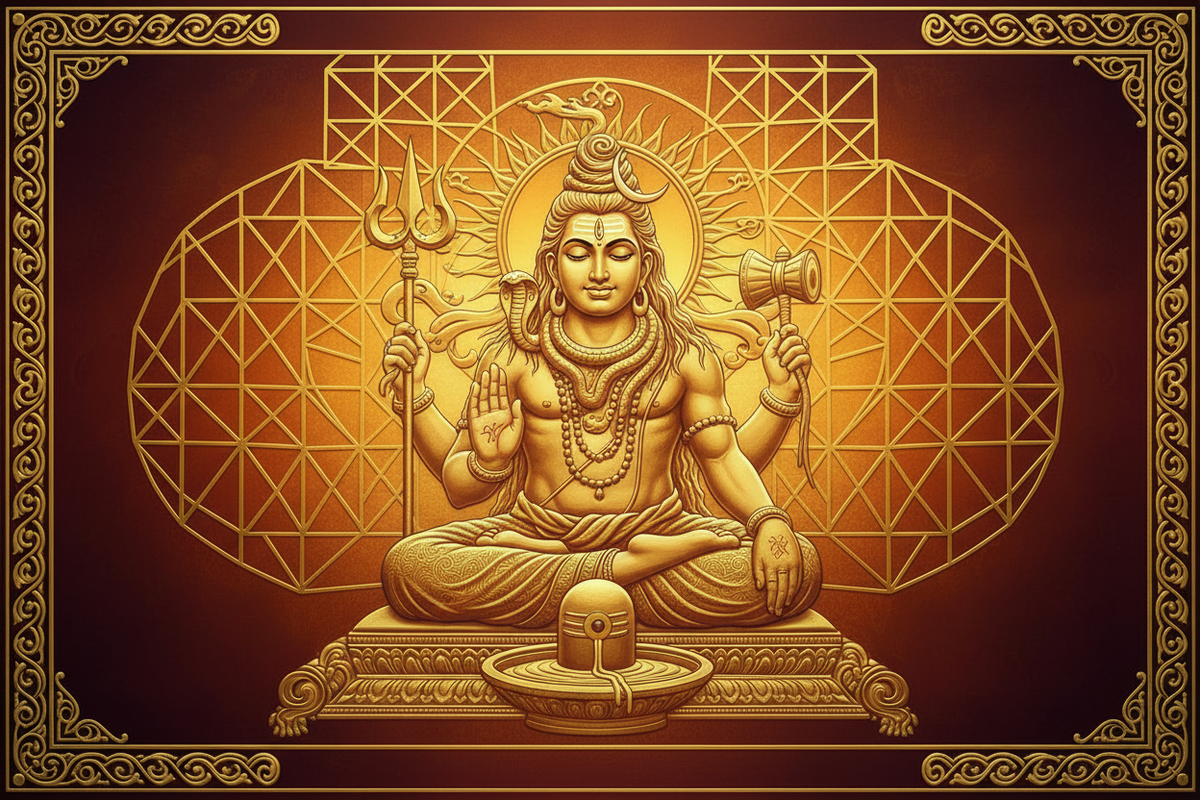
Shravan (Sawan) is the most sacred month in the Hindu calendar for the worship of Lord Shiva — a time when the entire universe is said to be charged with Shiva's divine energy. In 2026, Shravan Month runs from 30 July to 28 August. During this month, millions of devotees observe Monday fasts, perform daily Shiva Puja, undertake the Kaanwar Yatra pilgrimage, and immerse themselves in devotion to the Lord of the Universe.
Shravan Month 2026: 30 July – 28 August 2026
Why is Shravan the Most Sacred Month for Shiva?

According to the Puranas, during the cosmic churning of the ocean (Samudra Manthan), a deadly poison called Halahala emerged that threatened to destroy all creation. Lord Shiva, in his infinite compassion, drank the poison to save the universe — holding it in his throat (which turned blue, giving him the name Neelakantha). The gods then poured the sacred waters of the Ganga over Shiva to cool the burning poison.
This event is said to have occurred during the month of Shravan — which is why devotees pour water (Abhishekam) over the Shiva Lingam throughout this month, and why the Kaanwar Yatra pilgrims carry sacred Ganga water to offer to Shiva.
Shiva Puja Vidhi for Shravan Month

| Step | Ritual | Offering |
|---|---|---|
| 1 | Purification | Bathe and wear clean white or light-colored clothes |
| 2 | Mandap setup | Place Shiva Lingam on a clean altar facing north or east |
| 3 | Abhishekam | Pour water, milk, honey, yogurt, and sacred Ganga water over the Lingam |
| 4 | Bilva offering | Offer bilva (bel) leaves — the most sacred offering to Shiva |
| 5 | Mantra chanting | Chant "Om Namah Shivaya" 108 times or recite the Shiva Panchakshara Stotram |
| 6 | Dhoop and Diya | Light incense and a ghee lamp |
| 7 | Aarti | Perform Shiva aarti with the lamp |
| 8 | Prasad | Distribute prasad — fruits, sweets, and sacred ash (Vibhuti) |
Monday Fasting in Shravan
| Fast Type | Description |
|---|---|
| Partial fast | One meal per day, avoiding non-vegetarian food, alcohol, and onion/garlic |
| Satvik fast | Only sattvic (pure) foods — fruits, milk, nuts, and root vegetables |
| Nirjala fast | No food or water from sunrise to sunset |
| Nirahara fast | Complete abstinence from all food for the entire day |
Regional Celebrations of Shravan
| Festival | Region | Significance |
|---|---|---|
| Kaanwar Yatra | North India | Pilgrims carry sacred Ganga water to offer at Shiva temples |
| Teej | Rajasthan, UP, Bihar | Women's festival honoring Parvati's devotion to Shiva |
| Nag Panchami | All India | Worship of serpents — sacred to Shiva who wears them as ornaments |
| Narali Purnima | Maharashtra | Coconut offering to the sea; marks the end of the monsoon fishing ban |
| Gamha Purnima | Odisha | Worship of cattle and agricultural tools |
Conclusion
Shravan is not merely a month of rituals — it is a month of transformation. The daily Abhishekam, the Monday fasts, the Kaanwar pilgrimage, and the constant chanting of "Om Namah Shivaya" create a sustained field of devotion that purifies the mind, strengthens the spirit, and deepens the devotee's connection with the divine. As Shiva himself is said to be especially accessible during Shravan, this is the most auspicious time to begin or deepen a Shiva sadhana.
"Om Namah Shivaya" — Salutations to the five elements that Shiva embodies.
This article is part of Moksha Craft's Sacred Knowledge Series — handcrafted in India, delivered worldwide.
